Havana, CubaBiblio.com

réf. 0267037325.Ghardcover. Good. Access codes and supplements are not guaranteed with used items. May be an ex-library book. hardcover
1909réf. 85268New York: n.p. 1909. Paperback. Very Good. 4 photos in the 1907 report 27 27 27p. Softcovers in original wrapper. 26 cm. Later string ties. Business card for Jose Merla Manager of Royal "M. C." Lines laid in one of the reports. n.p. paperback books
1909réf. 85268New York: n.p. 1909. Paperback. Very Good. 4 photos in the 1907 report 27 27 27p. Softcovers in original wrapper. 26 cm. Later string ties. Business card for Jose Merla Manager of Royal "M. C." Lines laid in one of the reports. n.p. paperback
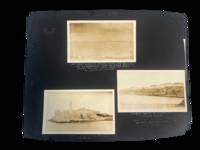
1920réf. 227281920. Havana Cuba travel photo album circa 1920s documents an American visitor's encounter with Havana during the interwar years when U.S. tourism commercial presence and Spanish-American War memory shaped how many American travelers interpreted the city. The vernacular photographs record arrival by steamship harbor landmarks civic buildings commercial streets factories boulevards monuments cemeteries and guarded public spaces giving insight into both Havana's urban landscape and the traveler's assumptions about access history and spectacle. The album's references to the USS Maine and Spanish-American War memorials place ordinary sightseeing within a longer history of U.S. intervention in Cuba; the Maine exploded in Havana Harbor on February 15 1898 killing more than 260 sailors and intensifying the crisis that led to war with Spain. Approximately 25 sepia-toned silver gelatin photographs each about 3 x 5 inches mounted to black album leaves with detailed handwritten captions in white pencil. The sequence begins aboard the S.S. Kroonland with one caption reading "My first view of Havana from the deck. three miles out at sea in a dark storm" followed by a landing view captioned "where we landed in Havana Cuba." The S.S. Kroonland returned to Panama Pacific Line service in 1923 on a New York to San Francisco route via Havana the Panama Canal and Los Angeles supporting the album's interwar travel context. The photographs then trace Havana's maritime and civic topography: harbor views Morro Castle captioned "Famous during the Spanish-American War" the waterfront in front of the fortress the Court House the President's Palace a "600-year-old church" the Henry Clay Cigar Store Havana's factory district and public boulevards "where all streets have parks in the center." Other images include a cemetery visit captioned "All people in Cuba are laid to rest above the ground" and a restricted-view street or carriage scene captioned "Officer would not let me take picture but when he turned I took it anyway" a revealing note on tourist privilege and unauthorized looking. Several images directly record the ways American travelers consumed Havana through imperial memory and Cuban nationalist commemoration. One monument is captioned "This was given by the Cuban people to the American soldiers that fell in the Spanish-American War" while another marks "the spot where the Maine sank at the entrance of the harbor." The album was made after Cuba's formal independence in 1902 and during the long aftermath of the Platt Amendment framework under which the United States retained extensive influence over Cuban affairs and intervened repeatedly in the early twentieth century. Album leaves chipped at edges several with corner losses not affecting images; prints generally sharp with strong contrast and clear annotations very good overall. Socially revealing Havana travel album documenting how a U.S. visitor pictured Cuba through steamship tourism colonial architecture cigar commerce Spanish-American War remembrance and the everyday authority structures of an interwar Caribbean capital. unknown books
1920réf. 227281920. Havana Cuba travel photo album circa 1920s documents an American visitor's encounter with Havana during the interwar years when U.S. tourism commercial presence and Spanish-American War memory shaped how many American travelers interpreted the city. The vernacular photographs record arrival by steamship harbor landmarks civic buildings commercial streets factories boulevards monuments cemeteries and guarded public spaces giving insight into both Havana's urban landscape and the traveler's assumptions about access history and spectacle. The album's references to the USS Maine and Spanish-American War memorials place ordinary sightseeing within a longer history of U.S. intervention in Cuba; the Maine exploded in Havana Harbor on February 15 1898 killing more than 260 sailors and intensifying the crisis that led to war with Spain. Approximately 25 sepia-toned silver gelatin photographs each about 3 x 5 inches mounted to black album leaves with detailed handwritten captions in white pencil. The sequence begins aboard the S.S. Kroonland with one caption reading "My first view of Havana from the deck. three miles out at sea in a dark storm" followed by a landing view captioned "where we landed in Havana Cuba." The S.S. Kroonland returned to Panama Pacific Line service in 1923 on a New York to San Francisco route via Havana the Panama Canal and Los Angeles supporting the album's interwar travel context. The photographs then trace Havana's maritime and civic topography: harbor views Morro Castle captioned "Famous during the Spanish-American War" the waterfront in front of the fortress the Court House the President's Palace a "600-year-old church" the Henry Clay Cigar Store Havana's factory district and public boulevards "where all streets have parks in the center." Other images include a cemetery visit captioned "All people in Cuba are laid to rest above the ground" and a restricted-view street or carriage scene captioned "Officer would not let me take picture but when he turned I took it anyway" a revealing note on tourist privilege and unauthorized looking. Several images directly record the ways American travelers consumed Havana through imperial memory and Cuban nationalist commemoration. One monument is captioned "This was given by the Cuban people to the American soldiers that fell in the Spanish-American War" while another marks "the spot where the Maine sank at the entrance of the harbor." The album was made after Cuba's formal independence in 1902 and during the long aftermath of the Platt Amendment framework under which the United States retained extensive influence over Cuban affairs and intervened repeatedly in the early twentieth century. Album leaves chipped at edges several with corner losses not affecting images; prints generally sharp with strong contrast and clear annotations very good overall. Socially revealing Havana travel album documenting how a U.S. visitor pictured Cuba through steamship tourism colonial architecture cigar commerce Spanish-American War remembrance and the everyday authority structures of an interwar Caribbean capital. unknown
réf. 630Thèse pour le doctorat en médecine à Paris. P. Rignoux, 1859. In-4 (26/20cm), 98 pages. Brochure.
2018réf. 103800Chêne, coll. « Voyage Voyage » 2018 In-4 cartonné 25 cm sur 24. Très bon état d’occasion.
2000réf. 43999München : Bruckmann, 2000. 103 S (24x29,5 cm quer) Pappband mit Umschlag / gebundene Ausgabe
2000réf. 284452Hamburg : G und J/RBA, 2000. 215 Seiten. Mit zahlreichen farbigen Abbildungen. 28 cm Originalleinen mit Original-Schutzumschlag.
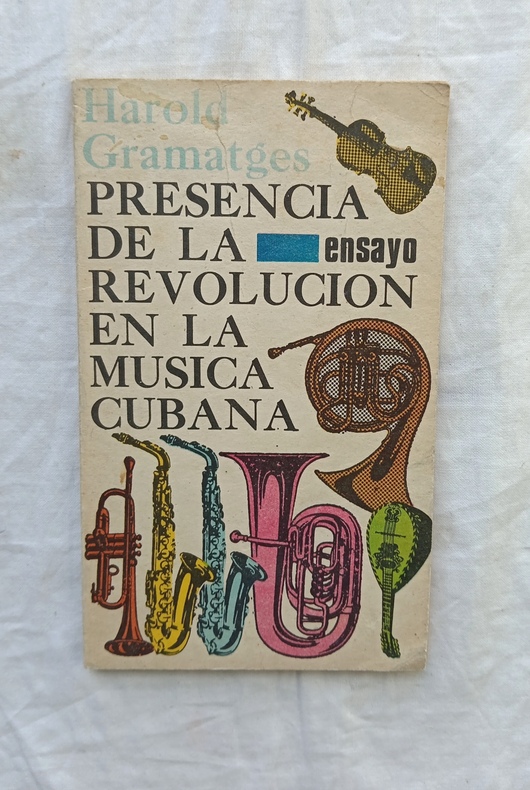
1983réf. Mu4110,8 cm X 18 cm, 92 pp, couverture souple et illustrée. Broché.
réf. QWA-840Le Nouveau Planète 1970 147 p. in-8 br., numéro spécial de Planète-Action de juillet 1970, ill. photo., bon état
1981Mm 155x220 Volume in copertina rigida, sovraccoperta figurata, 263 pagine, etichetta di biblioteca dismessa in apertura. Buono stato. Spedizione entro 24 ore dalla conferma dell'ordine.
1990réf. 83683Couverture souple. Broché. 248 pages.
1905réf. CUI307M1905 / 159 pages. Broché. Editions Habana Imprenta Avisador Comercial Amargura.
M., Aurelio J. Alaria, 1885, 20 x 13’5 cm., 2 h. – 105 págs. – 1 h. (Demócrata y abolicionista, Gómez propone reformas radicales para terminar con la explotación colonial de la isla, entre ellas la abolición de la esclavitud, la introducción del libre comercio y el final del gobierno militar de la isla).
Habana, 1929, 31'5 x 23'5 cm., retratos, ilustraciones intercaladas y láminas, 159 págs.
La Habana, La Propaganda Literaria, 1895, 22 x 15 cm., 24 págs. incluso pequeña fotografía del General Fernández Campos ? 1 croquis y un mapa plegados. (Falto de la cubierta original anterior y con firmas de anterior poseedor en la portada. En esta batalla fue herido mortalmente el General Fidel Alonso de Santocildes y supuso una importante derrota de las tropas españolas frente a los insurgentes cubanos).
Buenos Aires, Espasa-Calpe Argentina, 1948 [Austral]. 4to. menor; 149 pp. Cubiertas originales.
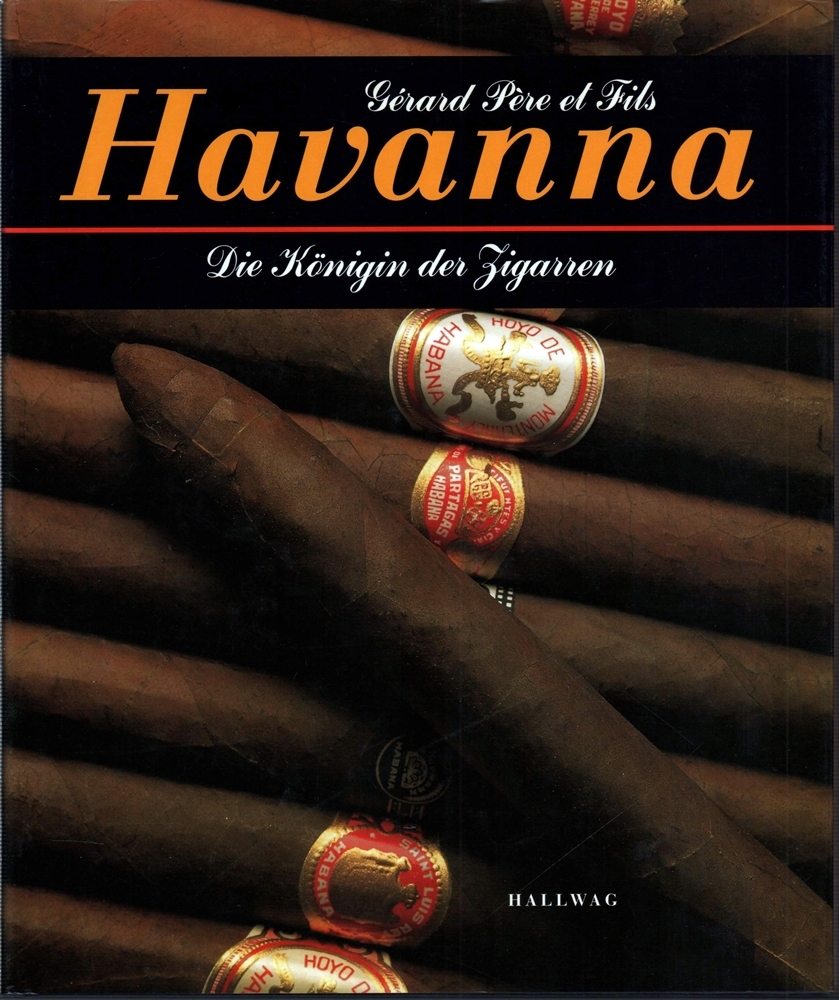
1996réf. 91733(Stuttgart), Hallwag, 1996). 143 S. Mit sehr zahlr. farb. Fotos. 30 cm. OPp. m. farb. SU.
México, Editorial Joaquín Mortiz, 1968. 4to.; 336 pp. Cubiertas originales.
Paris, Michel Lévy frères, 1862, in-16, ben legato in mezza tela coeva con titolo oro al dorso, piatti marmorizzati, pp. (6), 364, (2). Fioriture. Ex libris A. Manzini. Nato a l'Avana (il padre, catalano, aveva sposato l'infanta Josefina Fernanda di Borbone) fu inviato a studiare in Spagna ove si schierò a fianco dei liberali, a sostegno del generale e politico progressista Juan Prim y Prats; costretto all'esilio, ritornò a Cuba ove svolse attività a favore dell'abolizionismo.
M., Fundación Universitaria Española, 1986, 21 x 15 cm., láminas, 513 págs. - 1 h.
Madrid, FUE, 1982. 4to.; 164 pp. Ilustraciones. Cubiertas originales.
Madrid, Ediciones Cultura Hispánica, 1969. 4to. alargado; 236 pp., 1 h., con numerosas facsímiles y 10 ilustraciones fotográficas aparte. Cubiertas originales.
Madrid, Universidad, 1967. 4to.; 30 pp. Con tres reproducciones de textos manuscritos y portadas de libros, entre el texto. Cubiertas originales.