Sioen Gérard ; Wilmes JacquelineLivre Rare Book
Cuba
1999OTTIME CONDIZIONI

Libreria Tara s.n.c. · Italien11,00 €
2.642 Ergebnisse
2003Best.-Nr. 104715vadisEditions, Géo Découvertes, coll. « Paysages du Monde » 2003 In-4 relié 29,3 cm sur 26. 175 pages. Très bon état d’occasion.
1971Best.-Nr. 107309London, Eyre & Spottiswoode, 1971, fort in-8°, xxx-1696 pp, 32 pl. de photos hors texte, 19 cartes, glossaire, biblio, index, reliure pleine toile noire de l'éditeur, titres dorés sur fond rouge au dos, bon état. Edition originale
1999Best.-Nr. 103797Vilo 1999 In-8 broché 24 cm sur 18. 191 pages. Bon état d’occasion.
1851Best.-Nr. 018700Paris Imprimerie Nationale 1851 fort in-8°, (4) XX 594 pp. Demi-basane époque, dos lisse orné de l'auteur, du titre, de filets dorés. (reliure un peu frottée, rousseurs). Figures (tableaux). Tableau sur double page (tableau graphique des résultats numériques que présente le relevé comparatif précédent des importations de farine à l'île de Cuba).
1980Best.-Nr. ca1408Quadrogono libri Papermint Broché 1980 In-4 (21.5 x 34 cm), cartonné, couverture illustrée en couleurs, gardes illustrées en couleurs, 58 pages, illustrations en noir et en couleurs in et hors-texte ; coiffes et coins frottés, petites marques d'usage aux plats, par ailleurs bon état. Livraison a domicile (La Poste) ou en Mondial Relay sur simple demande.
1970PUF Que Sais Je ? 1970, In-12 broché, 127 pages. Bon état.
2000In 16° br. fig. col. pp. 128, con numerose foto a col. ben tenuto
1999OTTIME CONDIZIONI
1993Un uomo va a Cuba per " capire, capire , capire " la Cuba che aveva fantasticato fin dal liceo , quando leggeva Il Corsaro Nero e Hemingway , e di entusiasmava per Che Guevara e Fidel Castro. Invece stringe amicizie con uomini e donne e si perde nel divagante turbinio delle giornatane senza scrivere mai il libro per la quale era li allora scrive un "Falso diario".
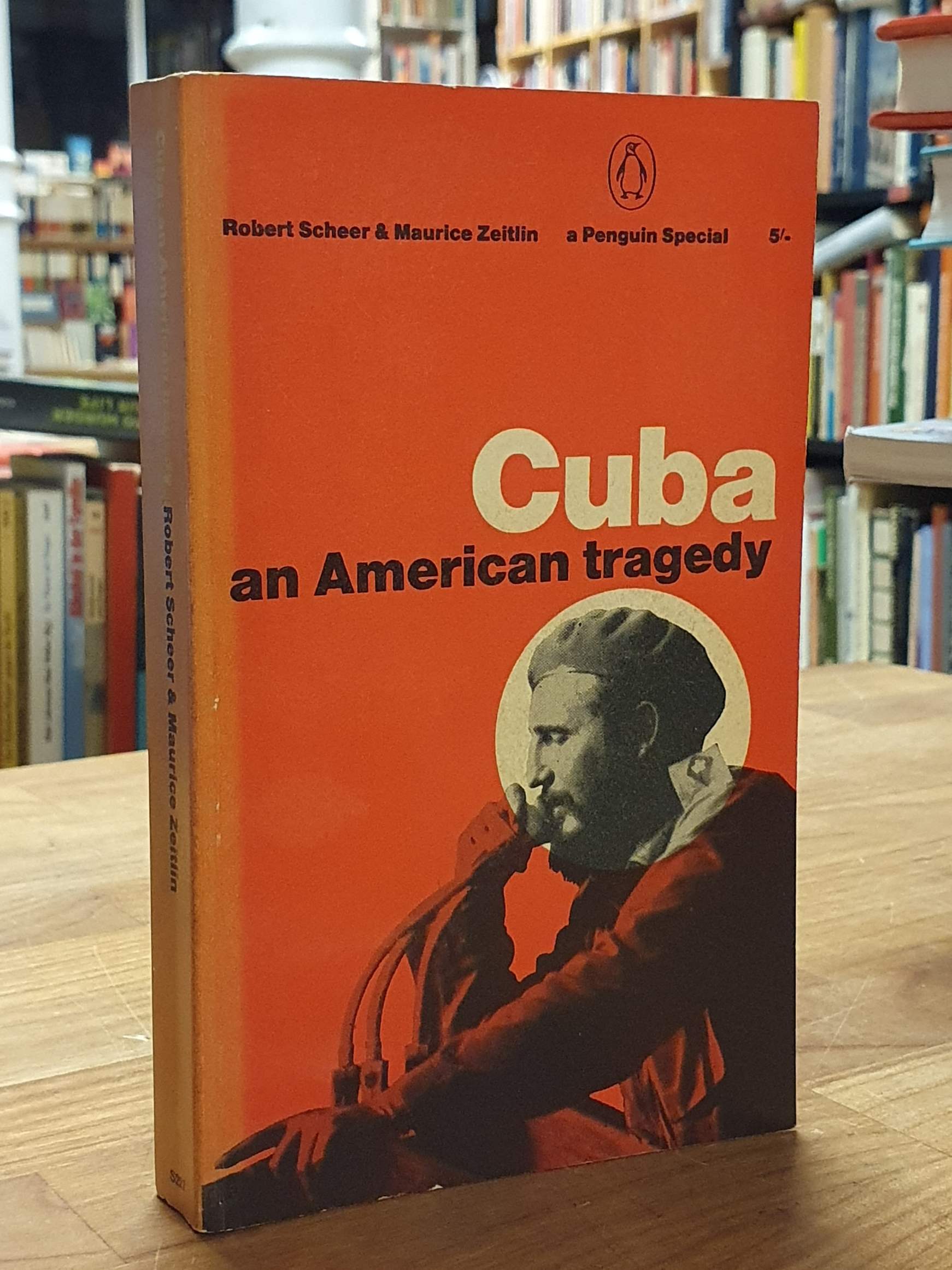
1964Best.-Nr. 19085CBHarmondsworth, Penguin Books, 1964. 8°, 368 S., Text: englisch, illustr. original Kartonage (Paperback), Revised edition Buchrücken ein wenig aufgehellt, eine zarte Längsfalte auf Buchrücken, Besitzervermerk auf Titelseite, gutes, sauberes Exemplar.
1996Vivante évocation de Cuba et de ses habitants, par le journaliste et écrivain Dimitri FRIEDMAN et les photos couleurs de Jacques DENARNAUD. Exemplaire bien complet de sa jaquette. Français
1982Best.-Nr. 785CBBeverly Hills, Sage Publications, 1982. 8°, 230 S. (Text: Englisch), original Kartonage (Paperback), Erstausgabe Einband berieben und mit minimalen Knickspuren, Kanten leicht bestoßen, am Fuß- und Kopfschnitt leichte Schmutzspuren, sonst gutes Exemplar
19711 Vol. In-4 pag. 150 nn centinaia di ill. n. t. Copt. ill PROG 39962 CATT_ATT 52
1971pp. 183, cm 18x11, bross.
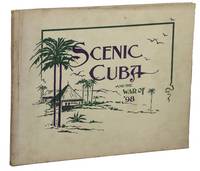
1898Best.-Nr. 00009833Chicago: Belford Middlebrook & Co 1898. First edition. Hardcover. Very Good. 4to. Unpaginated. White cloth with decorations in purple and green on the front board. Illustrated with numerous black and white photographs and maps. With introduction and descriptive text. Photographs showcase the beautiful sights of Cuba along with military points of interest and several U.S. Navy ships. A Very Good book with a touch of rubbing to the corners and a bit of soiling to the cloth. Belford, Middlebrook & Co hardcover
2020Best.-Nr. Gyan-9789357138239Facsimile Publisher 2020. Hardcover. New. 25.13 x 18.78 x 2.3 cm. English Facsimile Publisher hardcover
2020Best.-Nr. Gyan-9789357138239Facsimile Publisher 2020. Hardcover. New. 25.13 x 18.78 x 2.3 cm. English Facsimile Publisher hardcover
1970Reli?. 355 pages. Jaquette. 17,5x24xcm.
Album in-16° gr. oblungo, pp. 104 di cui 102 fotografie monocrome. Leg. in cartonato edit. figurato a colori. Tracce del tempo sui piatti.
in-4° 95-XXXVII p., relie cartonnage edition, jaquette illustree. Manque a la part. super. de la jaquette sinon bel exemplaire. [PLC-5]
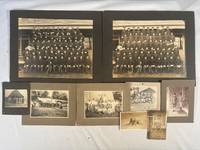
1909Best.-Nr. 224671909. Soldier Harold Howard's person documentaation of service in the 11th U.S. Cavalry during the period of American military occupation and intervention in Cuba following the Spanish American War. These photographs place an enlisted cavalryman within the broader framework of U.S. expansionist policy in the Caribbean under the Platt Amendment when American troops were repeatedly deployed to Cuba to oversee political stability infrastructure and economic interests. The archive includes identified images of Sgt. Harold Howard and captures both formal military organization and informal daily life offering a ground-level record of U.S. cavalry presence during a period of continued occupation and reintervention including the second U.S. occupation of Cuba from 1912 to 1913. Archive of nine vintage silver gelatin photographs ranging approximately from 3.5 x 5 inches to 10 x 13 inches many mounted to original photographer boards and some annotated in ink or pencil. Two large-format formal group portraits depict Troop K 11th U.S. Cavalry at Fort Oglethorpe Georgia 1913 showing soldiers in full dress uniform arranged in tiered formation with visible regimental flag marked "11" and "K" with Howard identified in one image. Smaller photographs include a group portrait of U.S. cavalrymen in Pinar del Río Cuba dated 1908 showing soldiers in campaign dress posed near a stable as well as candid camp scenes featuring cooking areas barracks life and assembled troops. Two photo postcards function as personal correspondence with handwritten messages from Howard dated April 1 and September 9 1913 addressed to Mrs. A. L. Howard in Maine referencing weather conditions and upcoming exhibition drills providing direct evidence of mobility and routine within cavalry service. Additional images include a cabinet card of two uniformed soldiers and a scene depicting Black Cuban civilians posed near a thatched structure situating U.S. military presence within local social environments. Taken together the archive documents the lived experience of a U.S. cavalryman operating within the infrastructure of American imperial policy in the Caribbean linking domestic military bases such as Fort Oglethorpe with overseas deployment in Cuba. The photographs record both the formal visual culture of the U.S. Army and the everyday conditions of enlisted service while the inclusion of Cuban subjects and locations underscores the entanglement of military occupation with local populations. General edge wear throughout with occasional pinholes adhesive remnants and minor chipping to mounts; some toning to boards. Photographs remain clear and stable with annotations legible. Overall very good condition. unknown
1909Best.-Nr. 224671909. Soldier Harold Howard's person documentaation of service in the 11th U.S. Cavalry during the period of American military occupation and intervention in Cuba following the Spanish American War. These photographs place an enlisted cavalryman within the broader framework of U.S. expansionist policy in the Caribbean under the Platt Amendment when American troops were repeatedly deployed to Cuba to oversee political stability infrastructure and economic interests. The archive includes identified images of Sgt. Harold Howard and captures both formal military organization and informal daily life offering a ground-level record of U.S. cavalry presence during a period of continued occupation and reintervention including the second U.S. occupation of Cuba from 1912 to 1913. Archive of nine vintage silver gelatin photographs ranging approximately from 3.5 x 5 inches to 10 x 13 inches many mounted to original photographer boards and some annotated in ink or pencil. Two large-format formal group portraits depict Troop K 11th U.S. Cavalry at Fort Oglethorpe Georgia 1913 showing soldiers in full dress uniform arranged in tiered formation with visible regimental flag marked "11" and "K" with Howard identified in one image. Smaller photographs include a group portrait of U.S. cavalrymen in Pinar del Río Cuba dated 1908 showing soldiers in campaign dress posed near a stable as well as candid camp scenes featuring cooking areas barracks life and assembled troops. Two photo postcards function as personal correspondence with handwritten messages from Howard dated April 1 and September 9 1913 addressed to Mrs. A. L. Howard in Maine referencing weather conditions and upcoming exhibition drills providing direct evidence of mobility and routine within cavalry service. Additional images include a cabinet card of two uniformed soldiers and a scene depicting Black Cuban civilians posed near a thatched structure situating U.S. military presence within local social environments. Taken together the archive documents the lived experience of a U.S. cavalryman operating within the infrastructure of American imperial policy in the Caribbean linking domestic military bases such as Fort Oglethorpe with overseas deployment in Cuba. The photographs record both the formal visual culture of the U.S. Army and the everyday conditions of enlisted service while the inclusion of Cuban subjects and locations underscores the entanglement of military occupation with local populations. General edge wear throughout with occasional pinholes adhesive remnants and minor chipping to mounts; some toning to boards. Photographs remain clear and stable with annotations legible. Overall very good condition. unknown books
1971357 p.; 20,5 cm. Bross. edit. Leggere tracce d'uso, buono. Tutti i discorsi di Fidel Castro dal 19 maggio al 7 dicembre 1970
1971Mm 125x205 Attualità. Brossura editoriale di pagine 357, timbro al frontespizio. Opera in buone condizioni. Spedizione in 24 ore dalla conferma dell'ordine.
1971357 pagine, 20,5 cm. Brossura editoriale. Buono