China Peking Opera troupeBiblio.com
21.998 resultados
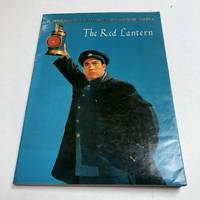
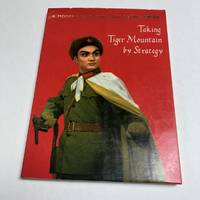
1971ref. AG-10059Beijing: Published by Foreign Language Press 1971 FIRST EDITION. The July 1970 Script Revised by "The Taking Tiger Mountain by Strategy" Group of Peking Opera Troupe of Shanghai. Large 8vo. XXX 113 6 pp. colophon with 3 pages Quotations from Chairman Mao. Printed pictorial wrappers minor tear to the foot edge of the front cover minor curled at the head edge of the front cover else very good condition. 北京:外文出版社出版,1971年第一版,由ä¸å›½äº¬å‰§å›¢æ ¹æ®1970年剧本è”åˆæ”¹ç¼–。å‰é¡µå¸¦æœ‰æ¯›ä¸»å¸è¯å½•ã€‚å°çš®é¡¶éƒ¨ç¨æœ‰ç£¨æŸï¼Œå…¶ä»–部分å“相éžå¸¸å¥½ã€‚ In China revolutionary operas or model operas Chinese: yangban xi æ ·æ¿æˆ were a series of shows planned and engineered during the Cultural Revolution 1966–1976 by Jiang Qing the wife of Chairman Mao Zedong.1 They were considered revolutionary and modern in terms of thematic and musical features when compared with traditional Chinese operas. Many of them were adapted to film. Originally eight revolutionary operas Chinese: Ba Ge Yangban Xi å…«ä¸ªæ ·æ¿æˆ were produced eighteen by the end of the period. Instead of the "emperors kings generals chancellors maidens and beauties" of the traditional Peking opera which was banned as "feudalistic and bourgeois" they told stories from China's recent revolutionary struggles against foreign and class enemies. They glorified the People's Liberation Army and the bravery of the common people and showed Mao Zedong and his thought as playing the central role in the victory of socialism in China. Although they originated as operas they soon appeared on LPs in comic books lianhuanhua on posters postcards and stamps; on plates teapots wash basins cigarette packages vases and calendars. They were performed or played from loudspeakers in schools factories and fields by special performing troupes. The Eight Model Operas dominated the stage in all parts of the country during these years leading to the joke "Eight hundred million people watched eight shows." 本组剧本属于文é©æ—¶æœŸçš„å…«å¤§æ ·æ¿æˆï¼Œç”±æ¯›ä¸»å¸å¤«äººæ±Ÿé’负责制作和演出。很多被æ‹æˆäº†ç”µå½±ã€‚ 最åˆæœ‰å…«ä¸ªæ ·æ¿æˆï¼ŒåŽæ¥åœ¨æ–‡é©æ—¶æœŸçš„åŽæœŸå‘展到了18个。ä¸åƒå› å°å»ºå’Œèµ„产阶级的被ç¦äº†çš„ä¼ ç»Ÿäº¬å‰§ï¼Œé‡Œé¢å‡ºçŽ°çš„ä¸çš„国王大臣少女和美人,é©å‘½çŽ°ä»£äº¬å‰§ä¸»è¦è®²è¿°ä¸å›½è¿‘å¹´æ¥çš„抗战故事,宣扬人民解放军的光辉è£è€€å’Œæ¯›ä¸»å¸çš„英勇。虽然是京剧,很快就å˜æˆäº†å„ç§å½¢å¼å‡ºçŽ°åœ¨è¿žçŽ¯ç”»ã€æµ·æŠ¥ã€æ˜Žä¿¡ç‰‡ã€é‚®ç¥¨ã€é¦™çƒŸã€èŠ±ç“¶ã€æ—¥åŽ†ç‰å„ç§åœ°æ–¹ï¼Œç”¨æ‰©éŸ³å–‡å在å¦æ ¡ã€å·¥åŽ‚ç‰åœ°æ–¹ï¼Œç”±æ¼”出团进行表演。8ä¸ªæ ·æ¿æˆä¸»å¯¼äº†å…¨å›½æ‰€æœ‰çš„舞å°ï¼Œå› æ¤æœ‰äº†8亿人看8个剧的笑è¯ã€‚ Foreign Language Press paperback
1972ref. AG-10058Beijing: Published by Foreign Language Press 1972 FIRST EDITION. The May 1970 Script Revised Collectively by China Peking Opera Troupe. Started with Quotation from Chairman Mao on the first page. Large 8vo. vii 98 1 pp. colophon printed pictorial wrappers very good condition. 北京:外文出版社出版,1972年第一版,由ä¸å›½äº¬å‰§å›¢æ ¹æ®1970年剧本è”åˆæ”¹ç¼–。å‰é¡µå¸¦æœ‰æ¯›ä¸»å¸è¯å½•ã€‚å“相éžå¸¸å¥½ã€‚ In China revolutionary operas or model operas Chinese: yangban xi æ ·æ¿æˆ were a series of shows planned and engineered during the Cultural Revolution 1966–1976 by Jiang Qing the wife of Chairman Mao Zedong.1 They were considered revolutionary and modern in terms of thematic and musical features when compared with traditional Chinese operas. Many of them were adapted to film. Originally eight revolutionary operas Chinese: Ba Ge Yangban Xi å…«ä¸ªæ ·æ¿æˆ were produced eighteen by the end of the period. Instead of the "emperors kings generals chancellors maidens and beauties" of the traditional Peking opera which was banned as "feudalistic and bourgeois" they told stories from China's recent revolutionary struggles against foreign and class enemies. They glorified the People's Liberation Army and the bravery of the common people and showed Mao Zedong and his thought as playing the central role in the victory of socialism in China. Although they originated as operas they soon appeared on LPs in comic books lianhuanhua on posters postcards and stamps; on plates teapots wash basins cigarette packages vases and calendars. They were performed or played from loudspeakers in schools factories and fields by special performing troupes. The Eight Model Operas dominated the stage in all parts of the country during these years leading to the joke "Eight hundred million people watched eight shows." 本剧本属于文é©æ—¶æœŸçš„å…«å¤§æ ·æ¿æˆï¼Œç”±æ¯›ä¸»å¸å¤«äººæ±Ÿé’负责制作和演出。很多被æ‹æˆäº†ç”µå½±ã€‚ 最åˆæœ‰å…«ä¸ªæ ·æ¿æˆï¼ŒåŽæ¥åœ¨æ–‡é©æ—¶æœŸçš„åŽæœŸå‘展到了18个。ä¸åƒå› å°å»ºå’Œèµ„产阶级的被ç¦äº†çš„ä¼ ç»Ÿäº¬å‰§ï¼Œé‡Œé¢å‡ºçŽ°çš„ä¸çš„国王大臣少女和美人,é©å‘½çŽ°ä»£äº¬å‰§ä¸»è¦è®²è¿°ä¸å›½è¿‘å¹´æ¥çš„抗战故事,宣扬人民解放军的光辉è£è€€å’Œæ¯›ä¸»å¸çš„英勇。虽然是京剧,很快就å˜æˆäº†å„ç§å½¢å¼å‡ºçŽ°åœ¨è¿žçŽ¯ç”»ã€æµ·æŠ¥ã€æ˜Žä¿¡ç‰‡ã€é‚®ç¥¨ã€é¦™çƒŸã€èŠ±ç“¶ã€æ—¥åŽ†ç‰å„ç§åœ°æ–¹ï¼Œç”¨æ‰©éŸ³å–‡å在å¦æ ¡ã€å·¥åŽ‚ç‰åœ°æ–¹ï¼Œç”±æ¼”出团进行表演。8ä¸ªæ ·æ¿æˆä¸»å¯¼äº†å…¨å›½æ‰€æœ‰çš„舞å°ï¼Œå› æ¤æœ‰äº†8亿人看8个剧的笑è¯ã€‚ Foreign Language Press paperback
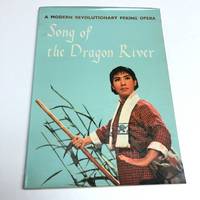
1972ref. AG-10060Beijing: Published by Foreign Language Press 1972 FIRST EDITION the January 1972 Script Revised by the Song of the Dragon River Group of Shanghai. Started with Quotation from Chairman Mao on the first page large 8vo xii 44 pp. 12 colophon fine condition fine condition 北京:外语出版社出版,1972年第一版,由上海《龙江颂》改编,开头带有毛主席语录。本册共44页12页彩色舞å°ç…§ç‰‡ï¼Œå“相éžå¸¸å¥½ã€‚ In China revolutionary operas or model operas Chinese: yangban xi æ ·æ¿æˆ were a series of shows planned and engineered during the Cultural Revolution 1966–1976 by Jiang Qing the wife of Chairman Mao Zedong.1 They were considered revolutionary and modern in terms of thematic and musical features when compared with traditional Chinese operas. Many of them were adapted to film. Originally eight revolutionary operas Chinese: Ba Ge Yangban Xi å…«ä¸ªæ ·æ¿æˆ were produced eighteen by the end of the period. Instead of the "emperors kings generals chancellors maidens and beauties" of the traditional Peking opera which was banned as "feudalistic and bourgeois" they told stories from China's recent revolutionary struggles against foreign and class enemies. They glorified the People's Liberation Army and the bravery of the common people and showed Mao Zedong and his thought as playing the central role in the victory of socialism in China. Although they originated as operas they soon appeared on LPs in comic books lianhuanhua on posters postcards and stamps; on plates teapots wash basins cigarette packages vases and calendars. They were performed or played from loudspeakers in schools factories and fields by special performing troupes. The Eight Model Operas dominated the stage in all parts of the country during these years leading to the joke "Eight hundred million people watched eight shows." 本剧本属于文é©æ—¶æœŸçš„å…«å¤§æ ·æ¿æˆï¼Œç”±æ¯›ä¸»å¸å¤«äººæ±Ÿé’负责制作和演出。很多被æ‹æˆäº†ç”µå½±ã€‚ 最åˆæœ‰å…«ä¸ªæ ·æ¿æˆï¼ŒåŽæ¥åœ¨æ–‡é©æ—¶æœŸçš„åŽæœŸå‘展到了18个。ä¸åƒå› å°å»ºå’Œèµ„产阶级的被ç¦äº†çš„ä¼ ç»Ÿäº¬å‰§ï¼Œé‡Œé¢å‡ºçŽ°çš„ä¸çš„国王大臣少女和美人,é©å‘½çŽ°ä»£äº¬å‰§ä¸»è¦è®²è¿°ä¸å›½è¿‘å¹´æ¥çš„抗战故事,宣扬人民解放军的光辉è£è€€å’Œæ¯›ä¸»å¸çš„英勇。虽然是京剧,很快就å˜æˆäº†å„ç§å½¢å¼å‡ºçŽ°åœ¨è¿žçŽ¯ç”»ã€æµ·æŠ¥ã€æ˜Žä¿¡ç‰‡ã€é‚®ç¥¨ã€é¦™çƒŸã€èŠ±ç“¶ã€æ—¥åŽ†ç‰å„ç§åœ°æ–¹ï¼Œç”¨æ‰©éŸ³å–‡å在å¦æ ¡ã€å·¥åŽ‚ç‰åœ°æ–¹ï¼Œç”±æ¼”出团进行表演。8ä¸ªæ ·æ¿æˆä¸»å¯¼äº†å…¨å›½æ‰€æœ‰çš„舞å°ï¼Œå› æ¤æœ‰äº†8亿人看8个剧的笑è¯ã€‚ Foreign Language Press books
1971ref. AG-10059Beijing: Published by Foreign Language Press 1971 FIRST EDITION. The July 1970 Script Revised by "The Taking Tiger Mountain by Strategy" Group of Peking Opera Troupe of Shanghai. Large 8vo. XXX 113 6 pp. colophon with 3 pages Quotations from Chairman Mao. Printed pictorial wrappers minor tear to the foot edge of the front cover minor curled at the head edge of the front cover else very good condition. 北京:外文出版社出版,1971年第一版,由ä¸å›½äº¬å‰§å›¢æ ¹æ®1970年剧本è”åˆæ”¹ç¼–。å‰é¡µå¸¦æœ‰æ¯›ä¸»å¸è¯å½•ã€‚å°çš®é¡¶éƒ¨ç¨æœ‰ç£¨æŸï¼Œå…¶ä»–部分å“相éžå¸¸å¥½ã€‚ In China revolutionary operas or model operas Chinese: yangban xi æ ·æ¿æˆ were a series of shows planned and engineered during the Cultural Revolution 1966–1976 by Jiang Qing the wife of Chairman Mao Zedong.1 They were considered revolutionary and modern in terms of thematic and musical features when compared with traditional Chinese operas. Many of them were adapted to film. Originally eight revolutionary operas Chinese: Ba Ge Yangban Xi å…«ä¸ªæ ·æ¿æˆ were produced eighteen by the end of the period. Instead of the "emperors kings generals chancellors maidens and beauties" of the traditional Peking opera which was banned as "feudalistic and bourgeois" they told stories from China's recent revolutionary struggles against foreign and class enemies. They glorified the People's Liberation Army and the bravery of the common people and showed Mao Zedong and his thought as playing the central role in the victory of socialism in China. Although they originated as operas they soon appeared on LPs in comic books lianhuanhua on posters postcards and stamps; on plates teapots wash basins cigarette packages vases and calendars. They were performed or played from loudspeakers in schools factories and fields by special performing troupes. The Eight Model Operas dominated the stage in all parts of the country during these years leading to the joke "Eight hundred million people watched eight shows." 本组剧本属于文é©æ—¶æœŸçš„å…«å¤§æ ·æ¿æˆï¼Œç”±æ¯›ä¸»å¸å¤«äººæ±Ÿé’负责制作和演出。很多被æ‹æˆäº†ç”µå½±ã€‚ 最åˆæœ‰å…«ä¸ªæ ·æ¿æˆï¼ŒåŽæ¥åœ¨æ–‡é©æ—¶æœŸçš„åŽæœŸå‘展到了18个。ä¸åƒå› å°å»ºå’Œèµ„产阶级的被ç¦äº†çš„ä¼ ç»Ÿäº¬å‰§ï¼Œé‡Œé¢å‡ºçŽ°çš„ä¸çš„国王大臣少女和美人,é©å‘½çŽ°ä»£äº¬å‰§ä¸»è¦è®²è¿°ä¸å›½è¿‘å¹´æ¥çš„抗战故事,宣扬人民解放军的光辉è£è€€å’Œæ¯›ä¸»å¸çš„英勇。虽然是京剧,很快就å˜æˆäº†å„ç§å½¢å¼å‡ºçŽ°åœ¨è¿žçŽ¯ç”»ã€æµ·æŠ¥ã€æ˜Žä¿¡ç‰‡ã€é‚®ç¥¨ã€é¦™çƒŸã€èŠ±ç“¶ã€æ—¥åŽ†ç‰å„ç§åœ°æ–¹ï¼Œç”¨æ‰©éŸ³å–‡å在å¦æ ¡ã€å·¥åŽ‚ç‰åœ°æ–¹ï¼Œç”±æ¼”出团进行表演。8ä¸ªæ ·æ¿æˆä¸»å¯¼äº†å…¨å›½æ‰€æœ‰çš„舞å°ï¼Œå› æ¤æœ‰äº†8亿人看8个剧的笑è¯ã€‚ Foreign Language Press paperback books
1972ref. AG-10058Beijing: Published by Foreign Language Press 1972 FIRST EDITION. The May 1970 Script Revised Collectively by China Peking Opera Troupe. Started with Quotation from Chairman Mao on the first page. Large 8vo. vii 98 1 pp. colophon printed pictorial wrappers very good condition. 北京:外文出版社出版,1972年第一版,由ä¸å›½äº¬å‰§å›¢æ ¹æ®1970年剧本è”åˆæ”¹ç¼–。å‰é¡µå¸¦æœ‰æ¯›ä¸»å¸è¯å½•ã€‚å“相éžå¸¸å¥½ã€‚ In China revolutionary operas or model operas Chinese: yangban xi æ ·æ¿æˆ were a series of shows planned and engineered during the Cultural Revolution 1966–1976 by Jiang Qing the wife of Chairman Mao Zedong.1 They were considered revolutionary and modern in terms of thematic and musical features when compared with traditional Chinese operas. Many of them were adapted to film. Originally eight revolutionary operas Chinese: Ba Ge Yangban Xi å…«ä¸ªæ ·æ¿æˆ were produced eighteen by the end of the period. Instead of the "emperors kings generals chancellors maidens and beauties" of the traditional Peking opera which was banned as "feudalistic and bourgeois" they told stories from China's recent revolutionary struggles against foreign and class enemies. They glorified the People's Liberation Army and the bravery of the common people and showed Mao Zedong and his thought as playing the central role in the victory of socialism in China. Although they originated as operas they soon appeared on LPs in comic books lianhuanhua on posters postcards and stamps; on plates teapots wash basins cigarette packages vases and calendars. They were performed or played from loudspeakers in schools factories and fields by special performing troupes. The Eight Model Operas dominated the stage in all parts of the country during these years leading to the joke "Eight hundred million people watched eight shows." 本剧本属于文é©æ—¶æœŸçš„å…«å¤§æ ·æ¿æˆï¼Œç”±æ¯›ä¸»å¸å¤«äººæ±Ÿé’负责制作和演出。很多被æ‹æˆäº†ç”µå½±ã€‚ 最åˆæœ‰å…«ä¸ªæ ·æ¿æˆï¼ŒåŽæ¥åœ¨æ–‡é©æ—¶æœŸçš„åŽæœŸå‘展到了18个。ä¸åƒå› å°å»ºå’Œèµ„产阶级的被ç¦äº†çš„ä¼ ç»Ÿäº¬å‰§ï¼Œé‡Œé¢å‡ºçŽ°çš„ä¸çš„国王大臣少女和美人,é©å‘½çŽ°ä»£äº¬å‰§ä¸»è¦è®²è¿°ä¸å›½è¿‘å¹´æ¥çš„抗战故事,宣扬人民解放军的光辉è£è€€å’Œæ¯›ä¸»å¸çš„英勇。虽然是京剧,很快就å˜æˆäº†å„ç§å½¢å¼å‡ºçŽ°åœ¨è¿žçŽ¯ç”»ã€æµ·æŠ¥ã€æ˜Žä¿¡ç‰‡ã€é‚®ç¥¨ã€é¦™çƒŸã€èŠ±ç“¶ã€æ—¥åŽ†ç‰å„ç§åœ°æ–¹ï¼Œç”¨æ‰©éŸ³å–‡å在å¦æ ¡ã€å·¥åŽ‚ç‰åœ°æ–¹ï¼Œç”±æ¼”出团进行表演。8ä¸ªæ ·æ¿æˆä¸»å¯¼äº†å…¨å›½æ‰€æœ‰çš„舞å°ï¼Œå› æ¤æœ‰äº†8亿人看8个剧的笑è¯ã€‚ Foreign Language Press paperback books
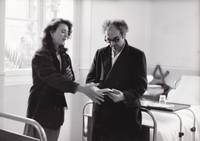
1986ref. 154238Paris: Interpress 1986. Vintage borderless reference photograph of Marushka Detmers and director Jean-Luc Godard on the set of the 1983 film. Loosely based on Georges Bizet's 1875 opera. A young woman involved in a terrorist gang is embroiled in a plan to rob a bank but her plans are waylaid when she falls for the security guard. Set and shot on location in Paris. 7 x 5 inches. Near Fine. Godard Histoires du Cinema. Interpress unknown
1986ref. 150041Paris: Interpress 1986. Vintage borderless reference photograph of Marushka Detmers from the 1983 film. Later printed French Interpress announcement with typos on verso. Loosely based on Georges Bizet's 1875 opera. A young woman involved in a terrorist gang is embroiled in a plan to rob a bank but her plans are waylaid when she falls for the security guard. Set and shot on location in Paris. 7 x 5 inches. Near Fine. Godard Histoires du Cinema. Interpress unknown
1986ref. 150041Paris: Interpress 1986. Vintage borderless reference photograph of Marushka Detmers from the 1983 film. Later printed French Interpress announcement with typos on verso. Loosely based on Georges Bizet's 1875 opera. A young woman involved in a terrorist gang is embroiled in a plan to rob a bank but her plans are waylaid when she falls for the security guard. Set and shot on location in Paris. 7 x 5 inches. Near Fine. Godard Histoires du Cinema. Interpress unknown books
1986ref. 154238Paris: Interpress 1986. Vintage borderless reference photograph of Marushka Detmers and director Jean-Luc Godard on the set of the 1983 film. Loosely based on Georges Bizet's 1875 opera. A young woman involved in a terrorist gang is embroiled in a plan to rob a bank but her plans are waylaid when she falls for the security guard. Set and shot on location in Paris. 7 x 5 inches. Near Fine. Godard Histoires du Cinema. Interpress unknown books
1897ref. WA6771New York: G. Schirmer 1897. Hardcover. Fair. 4to quarter morocco lacks spine floral cloth very edgeworn. Used as a scrapbook or souvenir book. Unique. Ex libris Emílie Pavlína Venceslava Kittlová aka Emmy Destinn aka Ema Destinnova. As you know she was famed for her portrayal of Aida at the Metropolitan Opera in New York in 1908. This book bears a two-line inked inscription with her signature dated 11 November 1908 on the blank page. Tipped into the book are 5 official portrait photographs of her in costume. At least two of them are by H. Mishkin New York City. Also tipped-in or laid in are clippings and images of other Aida and operatic performers. Also glued in are reviews of her performances in English and in Czech from a Chicago magazine. Also included are all or parts of printed programs. G. Schirmer hardcover
Six volumes. A very scarce and extensive bibliography of opera from its beginnings in Paris (in 1671) to 1849. 529 items described, most at great length. Includes details about both manuscript and printed material, about performers, and about whether and when each opera was performed and the length of its run. Biographical notes at end of each volume. Each volume with an etched portrait by Le Rat. Volumes 1-3 are each one of 100 copies on Holland laid paper. Volumes 4-6 are printed on fine wove paper. Two further volumes were published, one covering 1849-1876 and the other an appendix. 8vo, uncut in original wraps (volumes 4-6 unopened as well). Wraps with some minor tears but still bright. Internally fine.
1938ref. 107419London, Faber and Faber Limited 1938 In-4 28,5 x 19,5 cm. Reliure éditeur percaline rose moirée, dos lisse avec pièce de titre mauve, sous jaquette rose illustrée, 316 pp., 80 planches contrecollées et légendées en regard, contents, general index including ballets, choreographers, and dancers. Jaquette effrangée, sinon exemplaire en bon état.
1912ref. 37077Saint-Pétersbourg, R. Golicke et A. Willborg 1912 In-4, toile éditeur vert tilleul dessinée par E. LANCERAY, VIII- 136 pp. Frontispice d'après une aquarelle de BAKST, fleurons et culs-de-lampes de BAKST et 93 illustrations hors-texte en noir et en couleurs. Dos, coins et coupes émoussés toile effilée, bel état intérieur.
ref. DADAX0195340582New unknown
ref. 29572o.J. Opernsänger. Richard Wagner Sänger. 1915-18 an der Oper in Wiesbaden, 1921-31 am Deutschen Opernhaus, 1932-35 an der Berliner Staatsoper, 1937 bei den Salzburger Festspielen, 1940-46 an der Metropolitan Opera. 1891 Schytomyr /Ukraine - 1978 Westport /USA. Kniestück singend. Lithographie von Eugen Spiro 1946, von Spiro mit Bleistift signiert. Ca. 215 x 145 mm.-
ref. 587659Madrid, Sucesores de Rivadeneyra, 1927. In-4, rel. éd. pleine toile vert kaki, titre et armes en dorés sur le plat sup., XXII-374 pp., 53 ill. h.t. (portraits, fac-similé, partitions de musique etc...), tables et index. Texte en espagnol. Envoi manuscrit de l'auteur à la Vicomtesse de la Rochefoucauld.
ref. DADAX0195109996New unknown
1838ref. 36247Girard: Naples 1838. Oblong quarto. Contemporary quarter dark brown calf with green textured paper boards decorative dark brown leather label to upper with "Costanza Angelillo" gilt spine in decorative compartments gilt. Occasional secondary pagination. Contains: Pacini Giovanni 1796-1867 Merope Grand Opera . arrangé pour Piano solo. PNs 8867-8879. Ca. 1848. 1f. recto title verso blank 1 list of subscribers as of 24 December 1847 18 numbers in piano score with occasional text. Subscribers include Filippo Angelillo in all likelihood related to Costanza Angelillo owner of the volume. Merope in 3 acts to a libretto by Cammarano after Voltaire was first performed in Naples at the Teatro S Carlo on 25 November 1847. Pacini Saffo . Souvenirs. Choeur de femmes. Musical manuscript. 1f. recto title on light green paper verso blank 6 pp. Donizetti Gaetano 1797-1848 Roberto Devereux . Représenté au théâtre Royal de St. Charles le 28 Octobre 1837 . L'opéra entier . D.2.50. . 1er -2ème cahier. 1f. recto title verso blank 3-19 i blank; 1f. recto title verso blank 18 pp. PNs 3939-3943. Ca. 1838. Donizetti No. 8. Cavatine PN 6045. Ca. 1843. 6 pp. 1f. From Don Pasquale. Donizetti Linda di Chamounix Nouvel opéra . arrangé pour piano solo. 1f. recto title verso blank. Cavatine O luce di quest' anima Ajoutée à Paris pour Mme. Persiani-Tacchinardi et chantée à Naples par Mme. Tadolini. 4 pp. PN 5863; No. 14 Air Final du 2ème Acte de Linda . A consolarmi affrettati Chanté par Mme. Tadolini. 8 pp. PN 5685. Ca. 1840. 2 numbers in total. Donizetti Lucia di Lammermoor. No. 4. Duo chanté par Mme. Tacchinardi et par Duprez. 9-18 pp. PN 3953; Grand opéra . arrangé par piano solo. 1f. recto title verso blank 9-15 i blank pp. PN 3962. Ca. 1838. 2 numbers in total. Verdi Giuseppe 1813-1901 I Due Foscari. No. 14 Choeur d'Introduction Allagioia. 4 pp. PN 6884; No. 2 Cavatine de Jacopo Dal più remoto esilio Chantée à Naples par Fraschini. 10 pp. PN 6875; No. 3 Choeur et Cavatine de Lucrezia Tu al cui sguardo Chantée à Naples par Mme. Bishop. 7 i blank pp. PN 6876; No. 6 Duo de Lucrezia et du Doge Tu pur lo sai Chanté à Naples par Mme. Bishop et Coletti. 9 i blank pp. PN 6879/ Ca. 1845. 4 numbers in total. Verdi Ernani . arrangé pour piano solo. 1f. recto title on light blue paper within decorative border verso blank. No. 12 Suite et Stretta No vendetta. 4 pp. PN 6647; No. 14 Duo final d'Ernani et de Silva Esci a te scegli segimi. 9 i blank pp. PN 6604; No. 15. Air final de Mme. Toldi Se crudele il cor mostrai. 4 pp. PNs 4312 3222; No. 3 Cavatine tyrolienne de Mme. Toldi In questo semplice. 7 i blank pp. PNs 4302 3221. 4 numbers in total. Bellini Vincenzo 1801-1835 I Puritani. No. 18 Duo Il rival salvar tu dei Chanté Par Tamburini et Lablache. 12 pp. PNs 4167 2765. Ca. 1842. 1 number in total. Mercadante Saverio 1795-1870 l Giuramento. . arrangé pour piano solo. 1f. recto title listing the 21 numbers in the opera verso blank No. 4. Quatuor Vicino a chi si adora. 5 i blank pp. PN 4115. Ca. 1847. 1 number in total. Binding very slightly worn rubbed and bumped. Occasional light foxing. A clean wide-margined copy overall. An attractively-bound collection. Naples unknown
1838ref. 36247Girard: Naples 1838. Oblong quarto. Contemporary quarter dark brown calf with green textured paper boards decorative dark brown leather label to upper with "Costanza Angelillo" gilt spine in decorative compartments gilt. Occasional secondary pagination. Contains: Pacini Giovanni 1796-1867 Merope Grand Opera . arrangé pour Piano solo. PNs 8867-8879. Ca. 1848. 1f. recto title verso blank 1 list of subscribers as of 24 December 1847 18 numbers in piano score with occasional text. Subscribers include Filippo Angelillo in all likelihood related to Costanza Angelillo owner of the volume. Merope in 3 acts to a libretto by Cammarano after Voltaire was first performed in Naples at the Teatro S Carlo on 25 November 1847. Pacini Saffo . Souvenirs. Choeur de femmes. Musical manuscript. 1f. recto title on light green paper verso blank 6 pp. Donizetti Gaetano 1797-1848 Roberto Devereux . Représenté au théâtre Royal de St. Charles le 28 Octobre 1837 . L'opéra entier . D.2.50. . 1er -2ème cahier. 1f. recto title verso blank 3-19 i blank; 1f. recto title verso blank 18 pp. PNs 3939-3943. Ca. 1838. Donizetti No. 8. Cavatine PN 6045. Ca. 1843. 6 pp. 1f. From Don Pasquale. Donizetti Linda di Chamounix Nouvel opéra . arrangé pour piano solo. 1f. recto title verso blank. Cavatine O luce di quest' anima Ajoutée à Paris pour Mme. Persiani-Tacchinardi et chantée à Naples par Mme. Tadolini. 4 pp. PN 5863; No. 14 Air Final du 2ème Acte de Linda . A consolarmi affrettati Chanté par Mme. Tadolini. 8 pp. PN 5685. Ca. 1840. 2 numbers in total. Donizetti Lucia di Lammermoor. No. 4. Duo chanté par Mme. Tacchinardi et par Duprez. 9-18 pp. PN 3953; Grand opéra . arrangé par piano solo. 1f. recto title verso blank 9-15 i blank pp. PN 3962. Ca. 1838. 2 numbers in total. Verdi Giuseppe 1813-1901 I Due Foscari. No. 14 Choeur d'Introduction Allagioia. 4 pp. PN 6884; No. 2 Cavatine de Jacopo Dal più remoto esilio Chantée à Naples par Fraschini. 10 pp. PN 6875; No. 3 Choeur et Cavatine de Lucrezia Tu al cui sguardo Chantée à Naples par Mme. Bishop. 7 i blank pp. PN 6876; No. 6 Duo de Lucrezia et du Doge Tu pur lo sai Chanté à Naples par Mme. Bishop et Coletti. 9 i blank pp. PN 6879/ Ca. 1845. 4 numbers in total. Verdi Ernani . arrangé pour piano solo. 1f. recto title on light blue paper within decorative border verso blank. No. 12 Suite et Stretta No vendetta. 4 pp. PN 6647; No. 14 Duo final d'Ernani et de Silva Esci a te scegli segimi. 9 i blank pp. PN 6604; No. 15. Air final de Mme. Toldi Se crudele il cor mostrai. 4 pp. PNs 4312 3222; No. 3 Cavatine tyrolienne de Mme. Toldi In questo semplice. 7 i blank pp. PNs 4302 3221. 4 numbers in total. Bellini Vincenzo 1801-1835 I Puritani. No. 18 Duo Il rival salvar tu dei Chanté Par Tamburini et Lablache. 12 pp. PNs 4167 2765. Ca. 1842. 1 number in total. Mercadante Saverio 1795-1870 l Giuramento. . arrangé pour piano solo. 1f. recto title listing the 21 numbers in the opera verso blank No. 4. Quatuor Vicino a chi si adora. 5 i blank pp. PN 4115. Ca. 1847. 1 number in total. Binding very slightly worn rubbed and bumped. Occasional light foxing. A clean wide-margined copy overall. An attractively-bound collection. Naples unknown books
1928ref. 2092902138300351Not Available 1928. Soft Cover. Fine. The book is in fine condition. Not Available paperback
2011ref. 2092902143400452Suiyo-sha 2011. Soft Cover. Fine. Size: A5 size Number of books: 2 in total Suiyo-sha paperback
1739ref. 98138Londres, Londres, Chez Samuel Harding 1739 In-16, plein maroquin cerise peigné, dos lisse orné de petits fers encadrés de résilles et de roulettes dorés, plats encadrés d’une frise de palmettes dorées, contreplats encadrés d’une frise de grecques dorées, roulette en coupe, titre noir et rouge orné d’une figure, 206- 75 pp. Coiffe usée, coins émoussés, charnières sup. fendillée fragile. Légères mouillures éparses en pied.
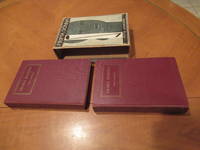
1929ref. 008486New York / London / Toronto: Longmans Green and Co. 1929. First Edition 1st Printing. Red Cloth. Very Good/Good Slipcase. Two Volumes. Slipcase With Modernist Illustration Of A Woman's Head And A Single Musical Note In Blue Gray Black And White By "H. M."; Preliminary Reviews On Rear Panel; Publisher's Summary On Rear Panel With $5.00 Price. Stated First Editions. A Well Received Novel But Reprinted Almost Immediately In The Book League Monthly In Two Parts Hence Never Receiving A Further Trade Printing. A Tight Clean Lightly Used Set Binding And Hinges Tight Spine Gilt Dull But Readable. Inscribed On Front Endpaper To Miss Pearl Besuner And Dated March 11 1929; She Was A Soprano From Cincinnati Who Made Her Debut With The Metropolitan Opera In 1928 And Was Favorably Reviewed By Sanborn For Her Performance In "The Emperor Jones" In 1933. Her History Mirrors That Of The Main Character Of This Novel Making This A Likely Dedication Copy. Pitts Sanborn 1879-1941 Was Music Critic For The New York Globe And Then The New York World Telegram. "He Also Write Books Such As The Metropolitan Book Of The Opera Prima Donna : A Novel Of The Opera Ludwig Van Beethoven." Wikipedia. Sanborn Was Also Remarked Upon As One Of The Great Originals Of 1920'S / 1930'S Culture. His Friendship With Wallace Stevens Included A Great Influence Upon Stevens' Interest In Music And Thus His Poetry. With A Long Two-Column Review From A Contemporary Newspaper Not Identified. Signed Material From Sanborn Is Scarce; Most Of His Personal Estate Was Lost Thrown Out On Street By His Ny Landlord Immediately After His Death In 1941. Longmans, Green and Co. hardcover
"Libretto d'opera, "Semiramide" Melodramma tragico da rappresentarsi nell' I. R. Teatro alla Scala la primavera dell'anno 1824 Musica del Maestro Gioachino Rossini *** "La Testa di Bronzo" Ballo di mezzo carattere in quattro atti espressamente composto e diretto da Antonio Cherubini Dalla Tipografia di Giacomo Pirola, Milano 1824, cm 17x10,5, pp. 52, frontespizio con bella marca tip. incisa in b/n. Brossura d'epoca muta in cartoncino. Acclusa bella fotografia originale d'epoca del Rossini (vedi foto). Condizioni di conservazione Esemplare ben conservato con tracce d'uso e leggeri segni del tempo, alcune piccole lievi bruniture, brossura con piccole / minime abrasioni e una piccola mancanza alla cuffia sup., angolo inf. della brossura ant., del frontespizio e di qualcuna delle prime pagine con un piccolo alone che non interessa il testo. Interni buoni. Fotografia originale ben conservata con leggere tracce del tempo, alcune minime tracce di sporco e leggera ombra di gora che non compromette l'immagine, poche minime abrasioni e difetti ai margini e agli angoli del supporto in cartoncino (vedi foto). Esemplare molto raro, per la prima rappresentazione al Teatro alla Scala di Milano. Corredato da bella fotografia originale del Rossini (vedi foto). OPEB.3997 N "
1905FOTOGRAFIA DI PRIMISSIMO PIANO DI UN MAGNIFICO GRUPPO DI FAMIGLIA, PRIMO A SINISTRA IL TENORE MANTOVANO CON ALTRI CONGIUNTI, AL CENTRO IL FRATELLO MARCELLO, SULLO SFONDO DIVERSE FOTOGRAFIE DI NOTI ARTISTI LIRICI (BORISSOFF, CARUSO, ECC.).