10 209 résultats
1984The standard catalogue raisonnÈ of the lithographs. 112 items reproduced and thoroughly described. Profusely illustrated in color and black & white. From a total edition of 2222 numbered copies, this is ONE OF ONLY 111 COPIES SIGNED IN THE COLOPHON BY SCHWARZ, WITH TWO ORIGINAL LITHOGRAPHS BY SCHWARZ printed on fine wove paper bound in. In this copy, exceptionally, ONE OF THE TWO LITHOGRAPHS IS ALSO SIGNED IN PENCIL. This copy additionally has ONE OF 111 SUITES OF THE SAME TWO LITHOGRAPHS, PRINTED IN COLORS WITH LARGE MARGINS (sheet size: 60 x 42 cm) AND JUSTIFIED AND SIGNED IN PENCIL. In this copy, THESE TWO LITHOGRAPHS ARE JUSTIFIED 1/111. The loose lithographs with large margins are cat. nos. 108 (9 colors) and 109 (7 colors); he bound-in lithographs are nos. 108.1 and 109.1. Folio. Publisher's laminated boards. FINE AND BRIGHT. Like new, with no defects.
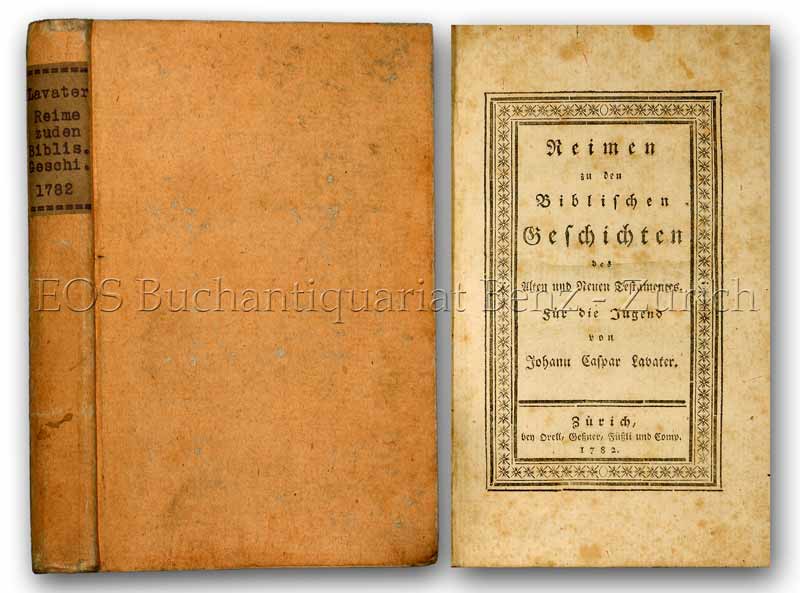
1782réf. 3474DBZürich, Orell, Gessner, Füssli u. Comp., 1782. Kl.-8°. 162 S., (5) Bl. (Register). Späterer Pappband. + Wichtig: Für unsere Kunden in der EU erfolgt der Versand alle 14 Tage verzollt ab Deutschland / Postbank-Konto in Deutschland vorhanden +, Einband und Titelblatt
1782réf. 3474DBZürich, Orell, Gessner, Füssli u. Comp., 1782. Kl.-8°. 162 S., (5) Bl. (Register). Späterer Pappband.
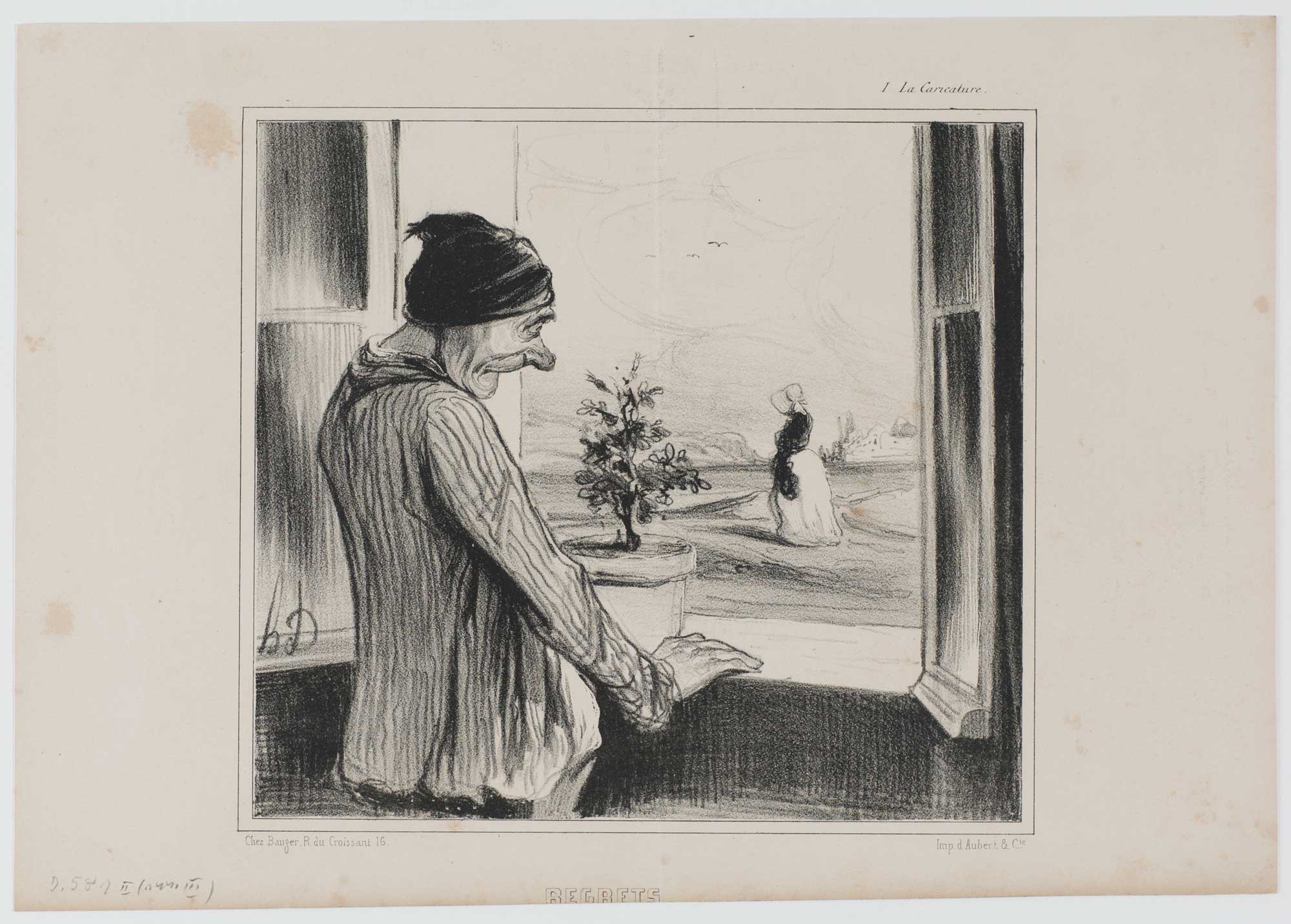
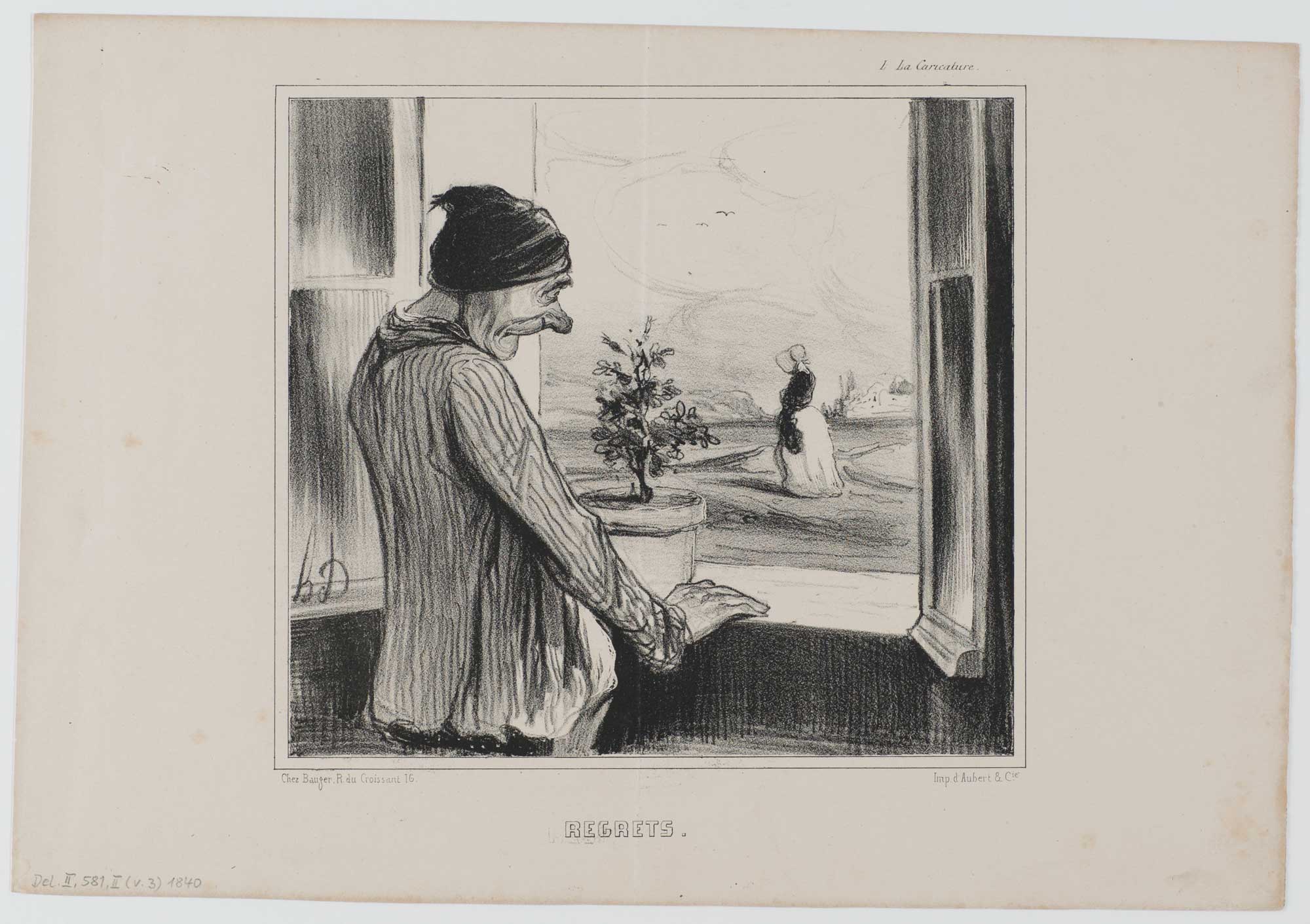
réf. HD-045o.J. (Bedauern). Lithographie, 1840, auf chamoisfarbenemVelin, mit den Adressen: Chez Bauger. R du Croissant 16, sowie: Imp. d. Aubert & Cie. Blattgröße 24,5:35 cm. ? Mit geglätteter vertikaler Mittelfalte und einige Braunflecken. Literatur: Daumier-Register 581; Delteil 581, II (von III), für ?La Caricature?. ? Sur blanc! - NEUE FORSCHUNGSERGEBNISSE ZU DR 581: Die literarische Romantik in Frankreich begann, verglichen mit Deutschland oder England, mit einiger Verspätung erst in der ersten Hälfte des 19. Jahrhunderts. Themen wie ?Erinnerungen? oder ?Wehmut?, so typisch für die Romantik, beschäftigten nicht nur Victor Hugo, Alphonse de Lamartine und Alfred de Musset, sondern auch viele heute weniger bekannte Schriftsteller. Der Maler Claude Paul Dubufe (1790 ? 1864) wurde eben durch seine Bilder wie ?Les Souvenirs? und ?Les Regrets? bekannt. Aber diese ?höheren Gefühle? wurden auch oft parodiert. So wurde am Théâtre du Palais-Royal im Jahr1840 eine Komödie mit dem Titel ?Souvenirs et Regrets? gespielt. - Diese Lithographie zeigt viele Gemeinsamkeiten mit dem Gemälde ?Großvater und Enkel? (Portrait d'un vieillard et d'un jeune garçon) von Domenico Ghirlandaio (1449 - 1494). Beide Werke kontrastieren Jugend und Alter. Beide Männer stehen neben dem Fenster mit leicht gesenktem Kopf und blicken nostalgisch nach unten. Ein Zufall? Der alte Mann bei Ghirlandaio hat eine von der Rhynophyma deformierte Nase, genau wie der Alte bei Daumier. Es ist unwahrscheinlich, dass die beiden Künstler zufälligerweise diese seltene Krankheit darstellen würden. Vielmehr darf man annehmen, dass Daumier gerade diese Einzelheit bemerkte, um sie später wieder zu verwenden. - Es ist interessant, dass Daumiers Lithographie ?Regrets? auch von Paul Gauguin geschätzt wurde. Er hat sie in sein Manuskript ?Diverses choses? aus den Jahren 1896-98 hinein geklebt.
réf. HD-046o.J. (Bedauern). Lithographie, 1840, auf chamoisfarbenem Velin, mit den Adressen: Chez Bauger. R du Croissant 16, sowie: Imp. d. Aubert & Cie. Blattgröße 25,8:37,3 cm. ? Mit geglätteter vertikaler Mittelfalte und einige Braunflecken. Literatur: Daumier-Register 581; Delteil 581, II (von III), für ?La Caricature?. ? Sur blanc! - NEUE FORSCHUNGSERGEBNISSE ZU DR 581: Die literarische Romantik in Frankreich begann, verglichen mit Deutschland oder England, mit einiger Verspätung erst in der ersten Hälfte des 19. Jahrhunderts. Themen wie ?Erinnerungen? oder ?Wehmut?, so typisch für die Romantik, beschäftigten nicht nur Victor Hugo, Alphonse de Lamartine und Alfred de Musset, sondern auch viele heute weniger bekannte Schriftsteller. Der Maler Claude Paul Dubufe (1790 ? 1864) wurde eben durch seine Bilder wie ?Les Souvenirs? und ?Les Regrets? bekannt. Aber diese ?höheren Gefühle? wurden auch oft parodiert. So wurde am Théâtre du Palais-Royal im Jahr1840 eine Komödie mit dem Titel ?Souvenirs et Regrets? gespielt. - Diese Lithographie zeigt viele Gemeinsamkeiten mit dem Gemälde ?Großvater und Enkel? (Portrait d'un vieillard et d'un jeune garçon) von Domenico Ghirlandaio (1449 - 1494). Beide Werke kontrastieren Jugend und Alter. Beide Männer stehen neben dem Fenster mit leicht gesenktem Kopf und blicken nostalgisch nach unten. Ein Zufall? Der alte Mann bei Ghirlandaio hat eine von der Rhynophyma deformierte Nase, genau wie der Alte bei Daumier. Es ist unwahrscheinlich, dass die beiden Künstler zufälligerweise diese seltene Krankheit darstellen würden. Vielmehr darf man annehmen, dass Daumier gerade diese Einzelheit bemerkte, um sie später wieder zu verwenden. - Es ist interessant, dass Daumiers Lithographie ?Regrets? auch von Paul Gauguin geschätzt wurde. Er hat sie in sein Manuskript ?Diverses choses? aus den Jahren 1896-98 hinein geklebt.
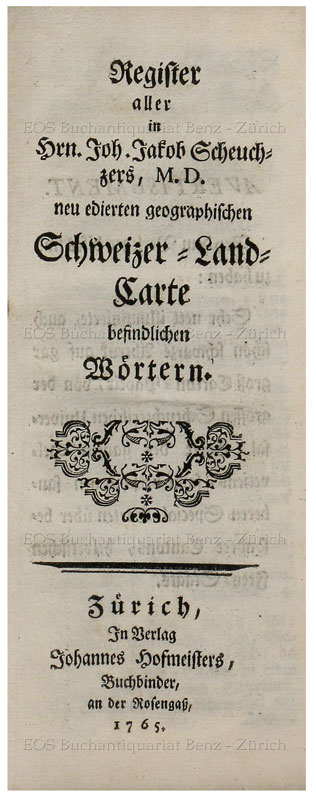
1765réf. 6486CBZürich, Johannes Hofmeister, 1765. Schmal 12°. 132 S. Pappbd. d. Zt. + Wichtig: Für unsere Kunden in der EU erfolgt der Versand alle 14 Tage verzollt ab Deutschland / Postbank-Konto in Deutschland vorhanden +, bild
1984This is a very good softcover copy with just light cover wear. Completely clean inside and out. The spine is not creased, binding firm. This catalog was prepared to accompany the traveling exhibition that opened at the Baltimore Museum of Art from November 10, 1984 to January 6, 1985. Exhibition and catalog curated by Victor Carlson and John Ittmann. Illustrated mostly in black & white, some color plates. 165 illustrations. Includes biographies of the artists. Bibliography. Glossary of French engraving terms. Essays by George Levitine, Richard Campbell, David Becker and Mary Myers. 11" high X 9" wide, 371 pages. Large heavy book, foreign shipping will be extra. This book will be securely wrapped and packed in a sturdy box and shipped with tracking.
1913- Lucien Vogel éditeur, Paris Mars 1913, 19x24,5cm, une feuille. - Original color print, printed on vergé paper, signed in the plate. An original print used to illustrate the Gazette du bon ton, one of the most attractive and influential 20th century fashion magazines, featuring the talents of French artists and other contributors from the burgeoning Art Deco movement. A celebrated fashion magazine established in 1912 by Lucien Vogel, La Gazette du bon ton appeared until 1925, with a hiatus from 1915 to 1920 due to the war (the editor-in-chief having been called up for service). It consisted of 69 issues printed in only 2,000 copies each and notably illustrated with 573 color plates and 148 sketches of the models of the great designers. Right from the start, this sumptuous publication "was aimed at bibliophiles and fashionable society," (Françoise Tétart-Vittu, "La Gazette du bon ton", in Dictionnaire de la mode, 2016) and was printed on fine vergé paper using a type cut specially for the magazine by Georges Peignot, known as Cochin, later used (in 1946) by Christian Dior. The prints were made using stencils, heightened in colors, some highlighted in gold or palladium. The story began in 1912, when Lucien Vogel, a man of the world involved in fashion (he had already been part of the fashion magazine Femina) decided, with his wife Cosette de Brunhoff - the sister of Jean, creator of Babar - to set up the Gazette du bon ton, subtitled at the time: "Art, fashion, frivolities." Georges Charensol noted the reasoning of the editor-in-chief: "'In 1910,' he observed, 'there was no really artistic fashion magazine, nothing representative of the spirit of the time. My dream was therefore to make a luxury magazine with truly modern artists...I was assured of success, because when it comes to fashion, no country on earth can compete with France.'" ("Un grand éditeur d'art. Lucien Vogel" in Les Nouvelles littéraires, no. 133, May 1925). The magazine was immediately successful, not only in France but also in the United States and Latin America. At first, Vogel put together a team of seven artists: André-Édouard Marty and Pierre Brissaud, followed by Georges Lepape and Dammicourt, as well as eventually his friends from school and the School of Fine Arts, like George Barbier, Bernard Boutet de Monvel and Charles Martin. Other talented people soon came flocking to join the team: Guy Arnoux, Léon Bakst, Benito, Boutet de Monvel, Umberto Brunelleschi, Chas Laborde, Jean-Gabriel Domergue, Raoul Dufy, Édouard Halouze, Alexandre Iacovleff, Jean Émile Laboureur, Charles Loupot, Chalres Martin, Maggie Salcedo. These artist, mostly unknown when Lucien Vogel sought them out, later became emblematic and sought-after artistic figures. It was also they who worked on the advertising drawings for the Gazette. The plates put the spotlight on, and celebrate, dresses by seven designers of the age: Lanvin, Doeuillet, Paquin, Poiret, Worth, Vionnet and Doucet. The designers provided exclusive models for each issue. Nonetheless, some of the illustrations are not based on real models, but simply on the illustrator's conception of the fashion of the day. The Gazette du bon ton was an important step in the history of fashion. Combining aesthetic demands with the physical whole, it brought together - for the first time - the great talents of the artistic, literary, and fashion worlds; and imposed, through this alchemy, a completely new image of women: slender, independent and daring, which was shared by the new generation of designers, including Coco Chanel, Jean Patou, Marcel Rochas, and so on... Taken over in 1920 by Condé Montrose Nast, the Gazette du bon ton was an important influence on the new layout and aesthetics of that "little dying paper" that Nast had bought a few years earlier: Vogue. [FRENCH VERSION FOLLOWS] Estampe originale en couleur, tirée sur papier vergé et signée en bas à gauche dans la planche. Gravure originale réalisée pour
réf. lc_10842Cabinet cantonal des estampes Musée Jenisch Vevey (1996)
réf. 98703Museu de Arte de Macau (Macao), 2001, 239 p., broché, environ 28x28cm, catalogue de l'exposition, coins des plats légèrement cornés, bon état.
1867réf. 256651867 Le Charivari,1867 -Lithographie -- Œuvre: Hauteur: 43.9cmx Largeur: 30.9cm - Trait carré: Hauteur: 25.2cmx Largeur: 21cm ; illustration page 3. - Au dessus de l'image, centré : "ACTUALITES" ; et à droite : "114" ; signature en bas de l'image à gauche : "h. D." ; en dessous de l'image à gauche : "A. de Vresse R. Rivoli, 55" ; en dessous de l'image à droite : "Lith. Destouches r Paradis Pre 28" ; en dessous, centré : "REFLEXION INTIME D'UN EPICIER / - Faut pas dire du mal des moutons de Panurge... Ca se tond !"- texte imprime au dos,bon etat.-
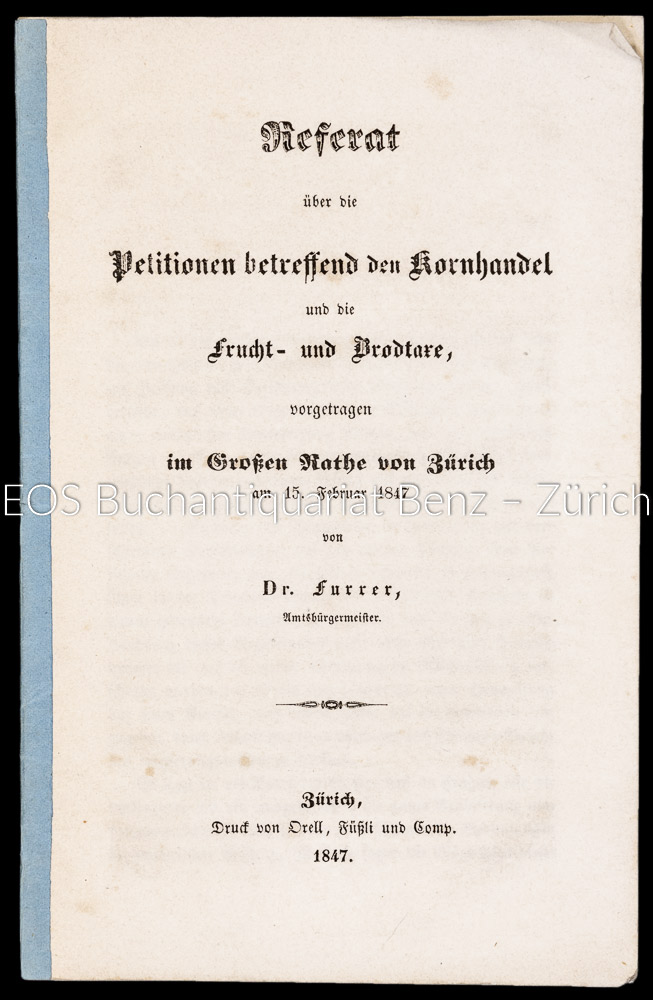
1847réf. 31198ABZürich, Orell Füssli und Comp., 1847. 8°. 44 S. Ohne Umschlag, geheftet. + Wichtig: Für unsere Kunden in der EU erfolgt der Versand alle 14 Tage verzollt ab Deutschland / Postbank-Konto in Deutschland vorhanden +, A
1847réf. 31198ABZürich, Orell Füssli und Comp., 1847. 8°. 44 S. Ohne Umschlag, geheftet.
1893réf. 278811893 Les peintres-lithographes : album trimestriel de lithographies originales et inédites 1893 - belle epreuve Impression . claires rousseurs en marge. toutes marges dimension feuille : 320 x 460mm.. timbre de la Société des Peintres-Lithographes, tirage à 80 ex.
1971réf. 55571Santa Cruz CA: Kayak Books 1971. First edition. Softcover. Near fine. Sm. quarto. 9.5 x 7". 55pp. Limited to 1200 copies. SIGNED by Levine on title page. very tiny nick to edge of rear cover. Kayak Books unknown
1971réf. 1391357Santa Cruz CA: Kayak Books Inc 1971. First Paperback Edition First Printing. Softcover. Octavo 55 pages. In Good condition. Tan spine with red lettering. Covers have mild shelving wear moderate bending wear along the tail fore corners mild water damage along the front fore edge and moderate age-toning throughout. Textblock has mild water damage along the fore edges from the front end-page to page 20 light soiling throughout mild wear along the edges and moderate age-toning throughout. Signed flat by Philip Levine on the title page. NOTE: Shelved in Room Z. 1391357. Special Collections - Downstairs. Kayak Books, Inc unknown books
1971réf. 1391357Santa Cruz CA: Kayak Books Inc 1971. First Paperback Edition First Printing. Softcover. Octavo 55 pages. In Good condition. Tan spine with red lettering. Covers have mild shelving wear moderate bending wear along the tail fore corners mild water damage along the front fore edge and moderate age-toning throughout. Textblock has mild water damage along the fore edges from the front end-page to page 20 light soiling throughout mild wear along the edges and moderate age-toning throughout. Signed flat by Philip Levine on the title page. NOTE: Shelved in Room Z. 1391357. Special Collections - Downstairs. Kayak Books, Inc unknown
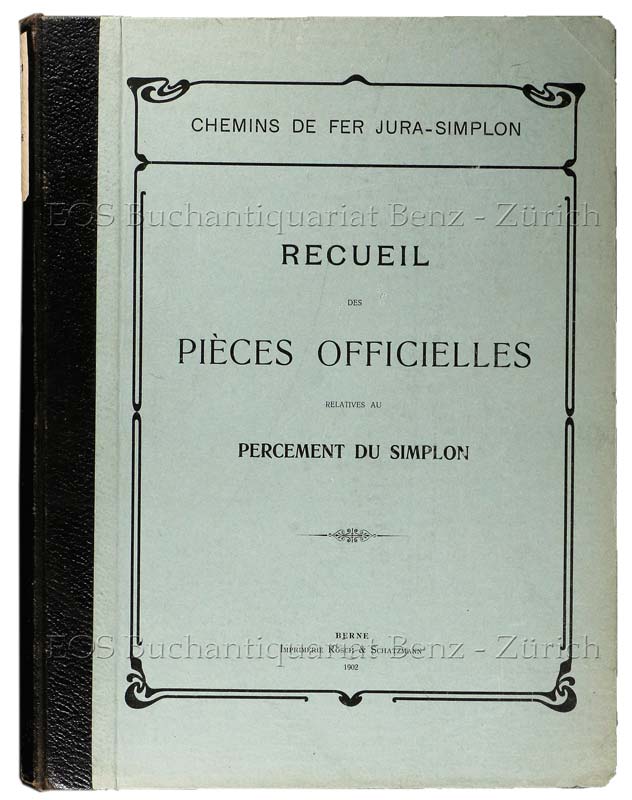
1902réf. 29572ABBern, Rösch & Schatzmann, 1902. 4°. 447 S. 14 Tafeln. Orig.-Halbleinenband. + Wichtig: Für unsere Kunden in der EU erfolgt der Versand alle 14 Tage verzollt ab Deutschland / Postbank-Konto in Deutschland vorhanden +, bild
1902réf. 29572ABBern, Rösch & Schatzmann, 1902. 4°. 447 S. 14 Tafeln. Orig.-Halbleinenband.
réf. 1346Paris : Boivin, Leclerc et. al., s. d. (vers 1750). 21 RARES LIVRETS DE MUSIQUE GRAVÉE
1791réf. 44994Paris, Moreau de Saint-Méry, Ponce, Phelipeau, 1791. Grand in-folio (48 x 34 cm), titre et 30 planches gravées, cartonnage bleu de l'époque.
réf. DICO50M1763, chez Briasson, David, Le Breton, Durand, Paris. Édition originale. In-folio, reliure de l'époque demi-veau marbré à coins, dos à 6 nerfs, 233 planches illustrant les entrées depuis Balancier à Charpente en passant par Blason, Boulanger et Caractère et Alphabets. Volume en tous points conforme à celui de la Mazarine (L'Encyclopédie. Volume 23. Planches 2). Reliure fatiguée à restaurer. Nombreux manques. Intérieur frais et complet malgré d'anciennes traces de menu travaux de vers.
réf. 19227Genève, Pellet, 1779. Plusieurs parties en 1 vol. in-4, 56 pp. 31 pl. + 47 pp. 63 pl. + 11 pp. 23 pl. + 8 pp. 38 pl. + 48 pp. 18 pl. + 52 pp., veau marbré havane, triple filet doré en encadrement sur les plats, dos orné de caissons et filets dorés, pièce de titre rouge, pièce de tomaison verte, tranches marbrées (quelques minuscules épidermures, quelques rares taches ou rousseurs, planche X de la partie "Musique" découpée).
réf. 45326Paris.Chez Le hay,Duchange,en 1714.In-folio en reliure d'époque.Edition complète avec le texte.102 planches + 1 planche de musique. Bel exemplaire.Dos à 9 nerfs avec fleurons estampés à froid.Pièce de titre.Coins légèrement émoussés.Mors droit fragile.