26 518 résultats
réf. SONG0754661008Used: Good unknown
1840réf. 686611 vol. in-folio reliure postérieure demi-maroquin à coins brun, s.l.n.d. [circa 1830-1860 ], 25 ff.
réf. SONG0754661105Used: Good unknown
réf. DADAX0674440056New unknown
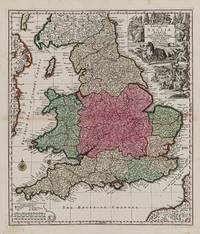
1740réf. 200029AG1740. Augsburg Seutter c.1740. Original hand-coloured engraving. Plate Size: 48.6 cm x 56.7 cm. Sheet Size: 54 cm x 62.1 cm. Original map. In very good condition. Some minor browning evident with the slightest traces of staining to outer margins. Tape repairs to reinforced reverse. Moreland and Bannister 1983: Tooley 1979. A very detailed and interesting map of England and Wales. To the north lies Scotland while offshore parts of Ireland and France are seen. Rivers headlands towns and cities are identified and relief shown pictorially. Divides England into pre-Norman Conquest: The Kingdome of West Saxons The Kingd. Of South Saxons The Kingd. Of Kent The Kingd. of East Saxons The Kingdom of East Angles The Kingdom of Mercie The Princedome of Wales and the Kingdome of Northumberland. Shows major cities and regions such as Surrey Cornwall Dorsetshire Wiltshire Somersetshire Essex Suffolk Warwikshire London Hartfordshire Denbighshire Shorpshire Yorkshire Cumberland Cambridge and Darbyshire. Includes the British Channel to the south and the Irish Sea or St. George's Channel to the west. In the top right of the map a large allegorical title cartouche represents the wealth of Britain - illustrating the sciences trade and industry agriculture and maritime activity throughout the realm. In the opposite corner a smaller cartouche shows map symbols and three scale bars. A compass rose guards the mouth of the Bristol channel. Matthäus Seutter 1678-1757 was one of the most important and prolific German map publishers of the 18th century. Matthaus Seutter the elder first published his "Atlas Geographicus" in 1720 and added to the contents in subsequent editions under the title "Atlas Novus". He was succeeded in his business by his son Georg Matthaus Seutter and after his death his son Albrecht Carl inherited but died early in 1762. Matthaus' widow then sold the business to her sons-in-law Tobias Conrad Lotter and Johann Michael Probst who eventually left it to M.A. Lotter Matthaus' grandson. Wikipedia unknown
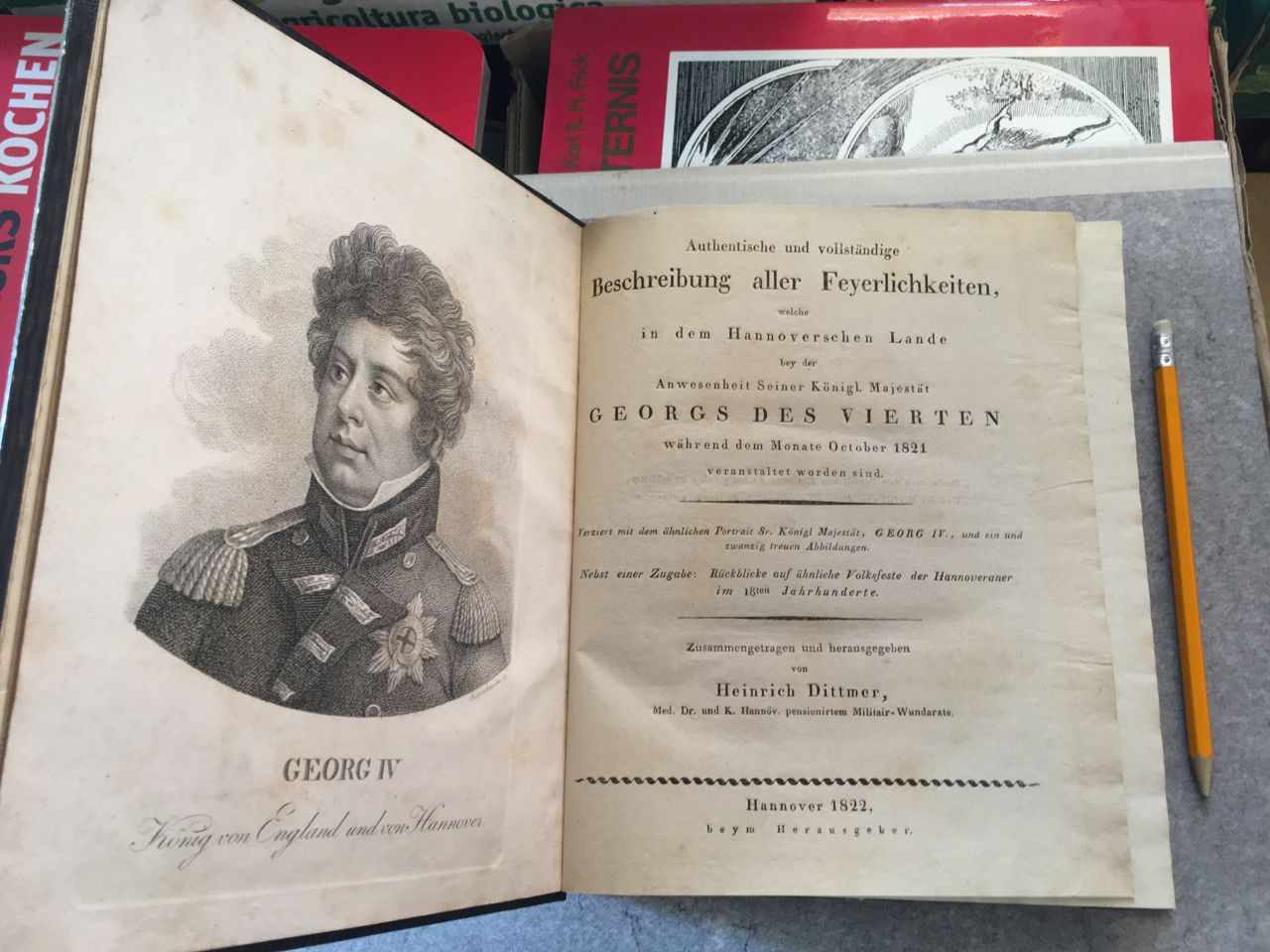
1822réf. HAN2786Hannover, Selbstverlag, 1822. Frontispiz: Porträt des Königs, von Riepenhausen; Titelbl., 3 Bl., XVI (Vorwort u. Subscribenten-Verzeichnis), 349 Seiten, 7 Bl.,(Verbesserungen u. Zusätze), Anzeige, Inhaltsverzeichnis, Erklärung der Abb.; 20 tls. gefaltete Tafeln, davon 2 koloriert. (Angehängt 1 gefalt. Bogen mit Preisverzeichnis der Abbildungen). H 24 x 20,5 cm, HLeinen. Eingebunden der verzierte Originalumschlag (rückseitig mit gr. Vignette illustriert), Vorderseite mit aufmontierter Abb. des Allgemeinen Ehrenzeichens der Hannoveraner. fest gebunden/ hardcover
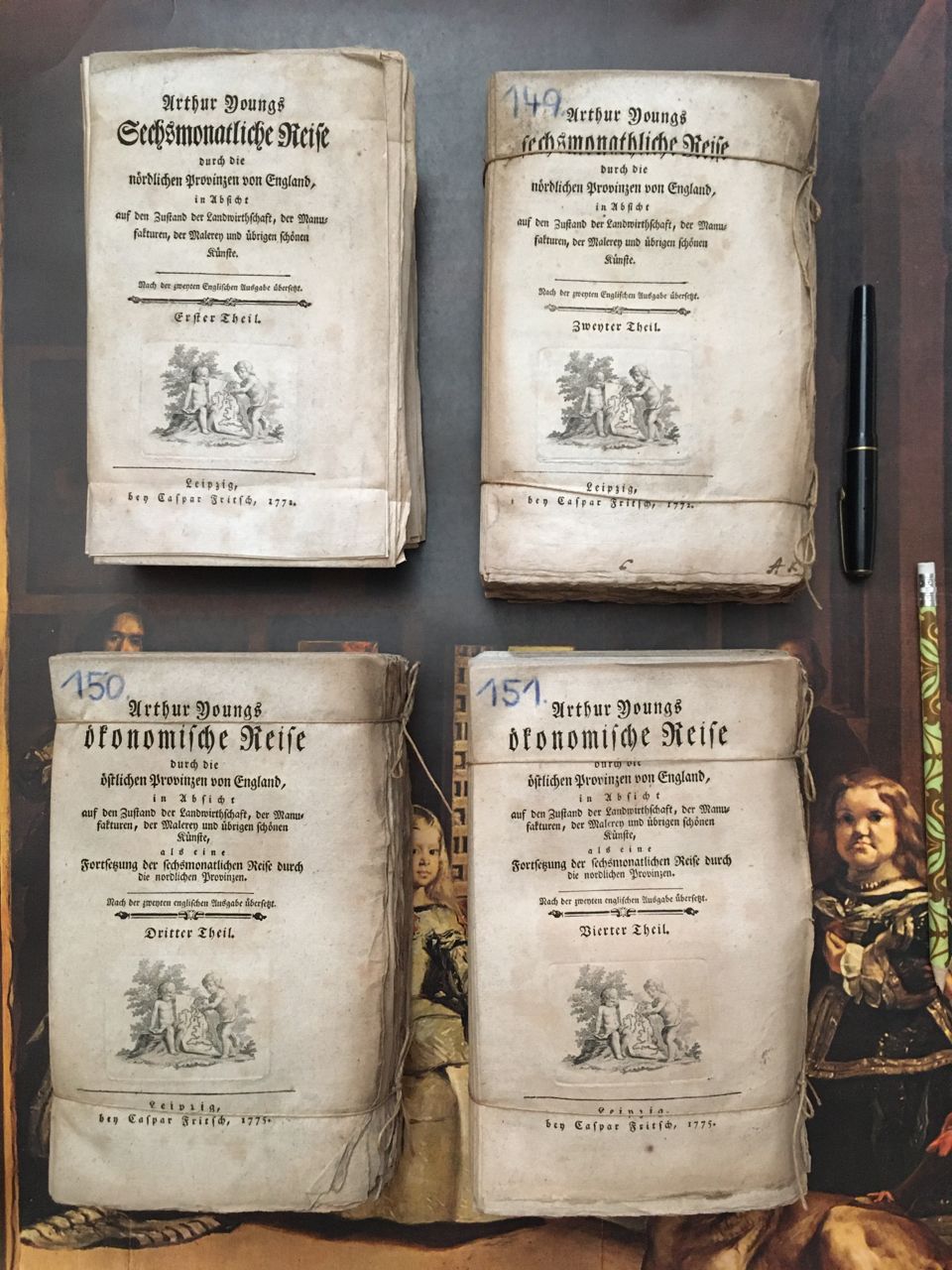
1772réf. GEU3092Leipzig, Fritsch, 1772. 1775. - 4 Bände: Rohbogen auf ca. 22 x 14 cm gefaltet, unaufgeschnitten, unbeschnitten. - Papier, Ränder, Schnitt teilw. gebräunt. Insgesamt guter Zustand. broschiert/ Taschenbuch/ paperback
1792réf. 028192London: L. Wayland 1792. Large Octavo. Frontispiece 12 284 250 58 pages. Nice large type. One of the better unofficial printings done at the end of the 18th century. The border resembles Didot. The use of the singular for the sacraments is an error see Griffiths. Both the British Library and the Huntington have copies with this variation. Special full black straight grained morocco both boards centrally inlaid red green and gilt insignia with the name Thos. Harrison above insignia and dated 1823 below boards trimmed in a decorative gilt roll binding by Thomas Harrison with 1825 on front cover with red insignia. Very clean text engravings have foxing with tissue guards. ESTC T082266; David M. Griffiths The Bibliography of the Book of Common Prayer p. 205. L. Wayland unknown
1919réf. 348420Boston: Small Maynard & Company 1919. Hardcover. Near Fine/Very Good. First edition. Slight mustiness else fine in very good dustwrapper with small nicks and tears and some overall soiling. Scarce in jacket. Small, Maynard & Company hardcover
1919réf. 348420Boston: Small Maynard & Company 1919. Hardcover. Near Fine/Very Good. First edition. Slight mustiness else fine in very good dustwrapper with small nicks and tears and some overall soiling. Scarce in jacket. Small, Maynard & Company hardcover books
1611réf. 751911611. The Creation of Baronets Under James I James I 1566-1625 King of England and Ireland. His Majesties Commission to All the Lords And Others of the Privie Counsell Touching the Creation of Baronets Whereunto are Annexed Divers Instructions And His Majesties Letters Patents Containing the Forme of the Said Creation. Also the Forme of an Oath to be Taken by the Said Baronets. London: Imprinted by Robert Barker 1611. iv 18 p. 18 18-38 2 39-44 pp. First leaf blank signed "A". Lacking final leaf a blank. Quarto 7-1/4" x 5-1/2". Stab-stitched pamphlet bound into modern three-quarter calf over marbled boards gilt and blind fillets and gilt title and publication date to spine. Moderate toning to interior light soiling to first leaf a small repair to its verso minor smudges to title page and following leaf. A handsome copy. $850. Only editions. Enactments dealing with the creation of the baronetage by James I. The title of baronet "a new dignitie between Barons and Knights" was established by letters patent as a way for James to raise revenue quickly without Parliament. Initially prospective baronets were required to pay enough money to "maintaine the number of thirtie foote-Souldiers in Ireland" for three years at a rate of eight pence per day men badly needed to maintain English control in Ulster. The second title largely reprints the letters patent of the first title and includes some additional clarification about matters of precedence. There are 1274 baronets on the Official Roll of the Baronetage today. English Short-Title Catalogue S122652 S100729. unknown
1611réf. 751911611. The Creation of Baronets Under James I James I 1566-1625 King of England and Ireland. His Majesties Commission to All the Lords And Others of the Privie Counsell Touching the Creation of Baronets Whereunto are Annexed Divers Instructions And His Majesties Letters Patents Containing the Forme of the Said Creation. Also the Forme of an Oath to be Taken by the Said Baronets. London: Imprinted by Robert Barker 1611. iv 18 p. 18 18-38 2 39-44 pp. First leaf blank signed "A". Lacking final leaf a blank. Quarto 7-1/4" x 5-1/2". Stab-stitched pamphlet bound into modern three-quarter calf over marbled boards gilt and blind fillets and gilt title and publication date to spine. Moderate toning to interior light soiling to first leaf a small repair to its verso minor smudges to title page and following leaf. A handsome copy. $850. Only editions. Enactments dealing with the creation of the baronetage by James I. The title of baronet "a new dignitie between Barons and Knights" was established by letters patent as a way for James to raise revenue quickly without Parliament. Initially prospective baronets were required to pay enough money to "maintaine the number of thirtie foote-Souldiers in Ireland" for three years at a rate of eight pence per day men badly needed to maintain English control in Ulster. The second title largely reprints the letters patent of the first title and includes some additional clarification about matters of precedence. There are 1274 baronets on the Official Roll of the Baronetage today. English Short-Title Catalogue S122652 S100729. unknown books
réf. Bloomsbury-9781509981144Hart Publishing. Hardback. New. 744 pages Hart Publishing hardcover
M., Blas Román, 1771, 19 x 14 cm., plena piel, 8 h. + VI + 175 págs. + 1 estado plegado.
1930réf. mon0000061174The Pilgrim Press 1930-01-01. Hardcover. Acceptable. in x in x in. Ex-library book usual markings. Hardback. Well read copy with some spine wear creasing to several pages and discolouring of page edges due to age. Still very useable. The Pilgrim Press hardcover
1937réf. 470880London, HMSO, 1904- 1937. Oktav. Half cloth binding.
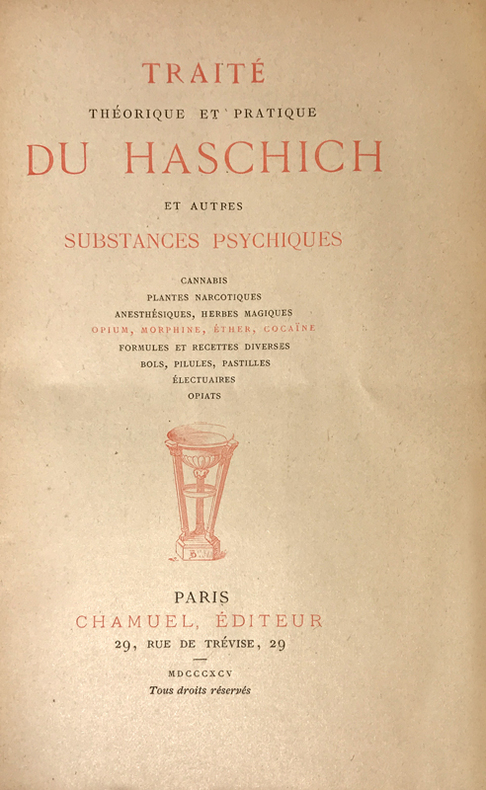
1895réf. 15352Paris, Chamuel, 1895 ; in-12, broché ; 177 pp., (1 bl.), (2) pp. de catalogue, couverture crème rempliée, illustrée, imprimée en vieux-rose et noir, petites figures.
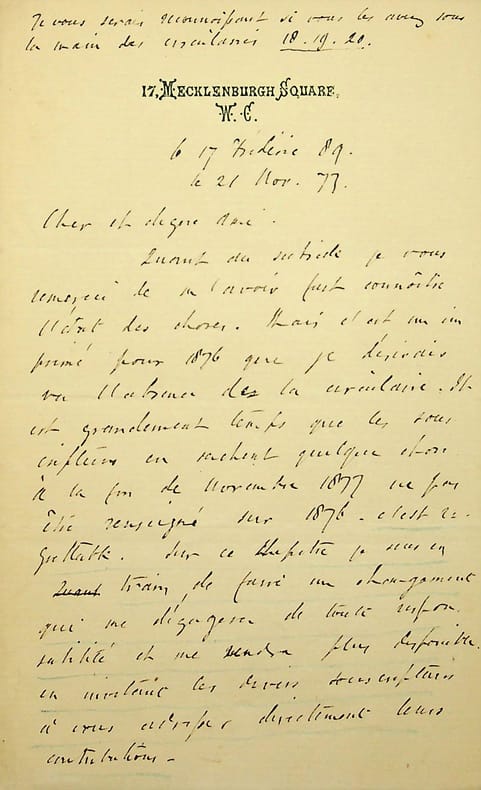
réf. 018958[Positivisme] Richard Congreve (1818-1899), philosophe anglais, figure de proue du positivisme en Angleterre, à l'origine du schisme en 1878. L.A.S. en français, 17 Frédéric 89 [21 novembre 1877], 4p in-8. Au docteur Jean-François Robinet (1825-1899), médecin d'Auguste Comte et important positiviste français. « Cher et digne ami, Quant au subside, je vous remercie de m'avoir fait connaître l'état des choses. Mais c'est un imprimé pour 1876 que je désirais vu l'absence de la circulaire. Il est grandement temps que les souscripteurs en sachent quelque chose. A la fin de novembre 1877, ne pas être renseigné sur 1876, c'est regrettable. Sur ce chapitre, je suis en train de faire un changement qui me dégagera de toute responsabilité et me rendra plus disponible, en invitant les divers souscripteurs à vous adresser directement leurs contributions. Quant à [Pierre] Laffitte, je vous croyais au courant. J'extrais de votre lettre du 28 octobre cette phrase : "Quoiqu'il en [mot illisible], M. Laffitte m'a déclaré vouloir vous écrire de tout cela (le soulignement est de vous) : nous verrons". D'après cela, j'ai attendu. Il ne m'a pas écrit, quoiqu'il ait écrit à d'autres. Je vous remercie d'avoir transmis ma communication. Quant à la petite pointe que me lance M. Sémérie dans sa lettre à M. Laffitte, qu'il m'a communiquée, ainsi que celle de M. Laffitte, je l'ai vue avec un certain amusement. Mais sans y attacher d'importance. Je suis habitué à me voir regardé comme homme qui se berce d'illusions, sans esprit pratique &c &c. Pour la lettre elle-même, je l'ai trouvée juste forte. Mais depuis longtemps, j'ai remarqué dans mes fréquentations que vous vous parlez plus librement que nous ne le supposions et que cela ne tient à pas conséquence. Dans la choses publique, je crois que vous attachez trop d'importance à certaines considérations relative au noyau positiviste parisien. Autant que personne, je me suis efforcé de le maintenir et de le soutenir. Vous me rendrez cette justice. Si je me décide à agit autrement que je n'aie agi jusqu'ici, ce sera pas les considérations d'un ordre supérieur. Je dois relever une phrase de votre lettre - "mal poupé et mal renseigné". Ce coup sûr vous avez une large part à l'impulsion - et plus qu'une large part aux renseignements. N'est-ce pas vrai ? Il faut tâcher de voir d'autres périls que ceux du schisme, qui vaut mieux que le marasme. Mais le schisme est un grand mal. Seulement il existe de fait. Il ne faut pas fermer les yeux sur cela. Pour la question personnelle, il m'est bien difficile d'en parle. Et mieux vaut, selon moi, laisser agir le temps que d'en parler, où un mot déplacé pourrait faire tant de mal. Et, où n'écrivant pas en anglais , il me serait si facile de laisser échapper un mot déplacé. Il est constant que nous avons une grande cause à soutenir, un grand maître à suivre ; vous croyez soutenir l'un et suivre l'autre en vous attachant à un directeur que je juge incompétent. Ce n'est qu'un dissentiment sur une question concrète de personnes. Malheureusement, d'après la tournure qu'a prise l'affaire, cela implique mon élimination. Vous verriez en ma présence une rivalité et un danger. Enfin, c'est une séparation, il n'y a pas à dire autrement. Mais voilà que je me laisse aller. Croyez toujours, dans cette séparation, provisoire espérons-le, à ma sincère affection pour vous et les vôtres. Richard Congreve. Inutile, j'ajoute, après avoir écrit ma lettre, de dire combien j'ai été peiné des incidents de la crise et surtout en ce qui nous affecte. Je n'ai qu'une consolation, c'est de ne pas l'avoir provoquée. [et en tête de la première page] Je vous serais reconnaissant si vous les avez sous la main des circulaires 18-19-20 ». Eugène Sémérie (1832-1884) était un médecin, positiviste, proche du docteur Robinet. Les lettres entre positivistes sont rares. [443]
1988Complete in 4 volumes (i.e. 7 physical volumes): I: xxvii,1047pp., II (in 2 parts): xxxi,1409pp., III (in 2 parts): xxxi,1455pp., IV (in 2 parts): xxxi,1236pp., hardcover (editor's green cloth bindings with gilt lettering, few corners slightly bumped), good condition, [This reference work for art dealing in Great-Britain covers the period 1801-1820, with indexes of paintings, owners and previous owners], rare, total weight: 14kg., S84393
réf. 347653 pages grand in8 + adresse au dos - bon état - On joint une seconde lettre en anglais - 2 pages 1/2 in8 à Mr Akerman du 26 juin 1854 -
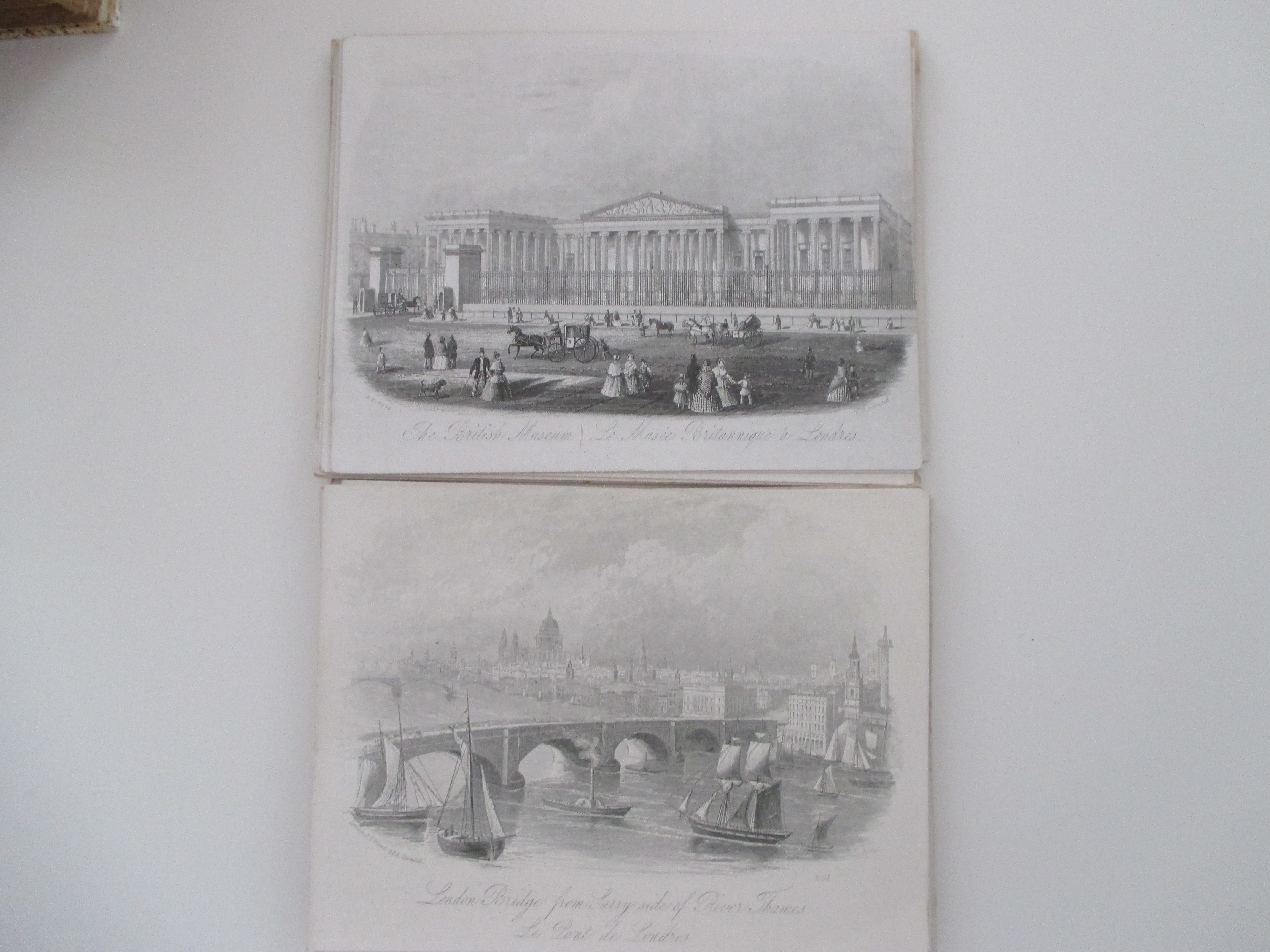
1860réf. 14714ABLondon, J.T. Wood at Strand, ca. 1860. 12 : 15 cm. 25 steel engraved cards. Housed in slipcase.
1794réf. 13380ABGöttingen, 1794. 33,5 : 24,5 cm Contemporary half cloth.-
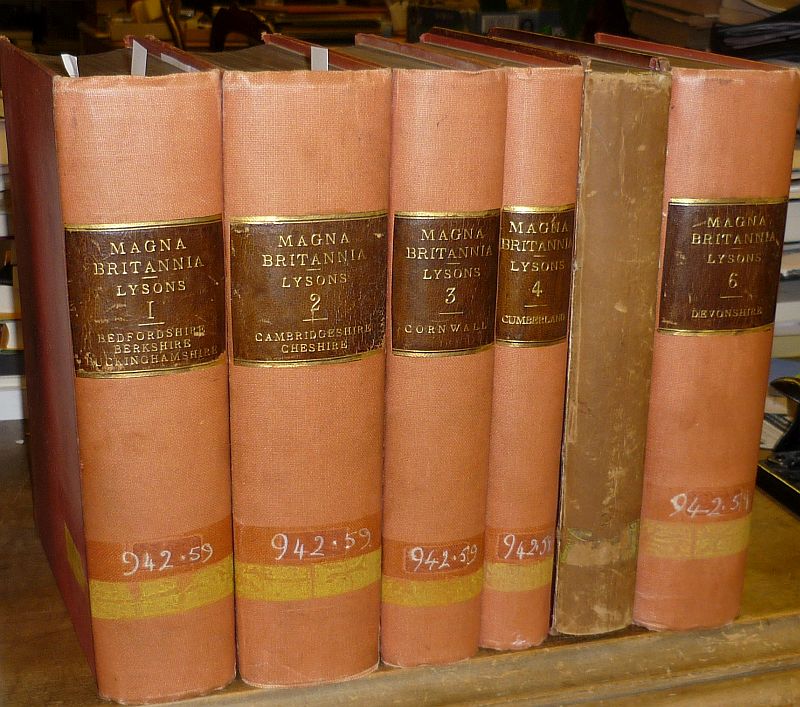
1806réf. 19378London, T. Cadell and W. Davies, 1806-1822. 4to (27 x 22 cm). Mit 265 (st. 275) gest. Taf. (teils mehrf. gef., einige koloriert, inkl. einiger grenzkolor. Karten). XXI, 742; XII, 889; CCLII, 390; CCX, 198; CCXLII, 344; CCCLV, 682 S. sowie einige nn. Bl. Indices, Additions etc. Moderne Lwd. m. RSchild. Kopfgoldschnitt, sonst Marmorschnitt.
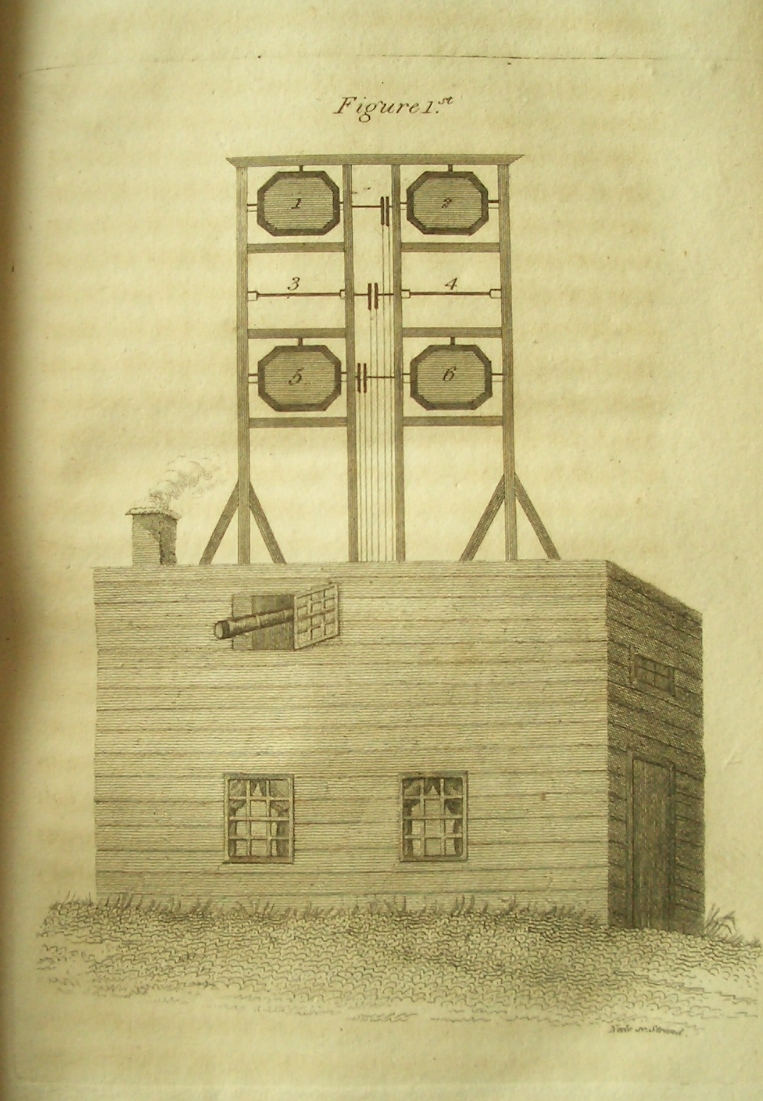
1808réf. 5973... Illustrated by Linear Plates Connected with the Detail of the new Telegraphic System ... Dedicated, by Permission, to the Right Honourable Lord Hawkesbury. Mit 5 (1 kolor.) gest. Tafeln von S. Neele. London, Printed for T. Egerton, Military Library, near Whitehall, 1808. 8vo. (20,8 x 12,8 cm). IV, 186 S. Neuer Halblederband mit Rückenvergoldung.